Velocity of Funds: Synchronizing Reel Spins, Dealer Engagements, and Athletic Predictions Through Mobile Transaction Networks
Parker Braun · Aug 23, 2026

Velocity of Funds: Synchronizing Reel Spins, Dealer Engagements, and Athletic Predictions Through Mobile Transaction Networks
Mobile transaction networks have reshaped how funds move in real time across digital gambling platforms, connecting slot reel mechanics, live dealer interactions, and sports betting predictions into a single synchronized system. Data from industry reports indicate that these networks process payments in milliseconds, allowing users to deposit, wager, and withdraw without disrupting gameplay sequences. Observers note that the velocity of funds, defined as the speed and frequency of monetary transfers, has become central to platform design since mobile adoption rates climbed past 70 percent in multiple markets by early 2026.
Mechanics of Instant Fund Movement in Slot Environments
Slot games rely on continuous reel spins that demand uninterrupted access to player balances, and mobile transaction networks deliver this by integrating payment gateways directly into game engines. When a user initiates a spin, the system verifies available funds through encrypted channels that link banking apps or digital wallets in under two seconds. Research from the American Gaming Association shows that platforms employing these networks record average transaction completion times of 1.8 seconds during peak hours, which keeps reel cycles flowing without lag. Those who have examined transaction logs find that batch processing of micro-deposits often occurs between spins, maintaining momentum across sessions that last several hours.
What's interesting is how these networks handle volatility in player activity, routing funds through multiple redundant servers to prevent drops during high-volume periods. One case study from a major operator revealed that synchronization between wallet APIs and reel servers reduced failed transactions by 34 percent compared with earlier static systems. And this efficiency extends to bonus activations, where credited amounts appear instantly on the balance meter, triggering additional spins without manual intervention.
Live Dealer Sessions and Real-Time Payment Synchronization
Live dealer tables introduce human-paced elements that mobile networks must align with fund transfers, since players often adjust bets mid-round or request side wagers after each card deal. Transaction layers embedded in streaming platforms allow chips to be purchased or replenished while the dealer shuffles or announces results, keeping engagement levels steady. Figures from the European Gaming and Betting Association indicate that live casino segments using mobile-optimized payment rails saw average session lengths increase by 22 minutes in the first half of 2026, largely because fund velocity eliminated the need to pause for external banking checks.
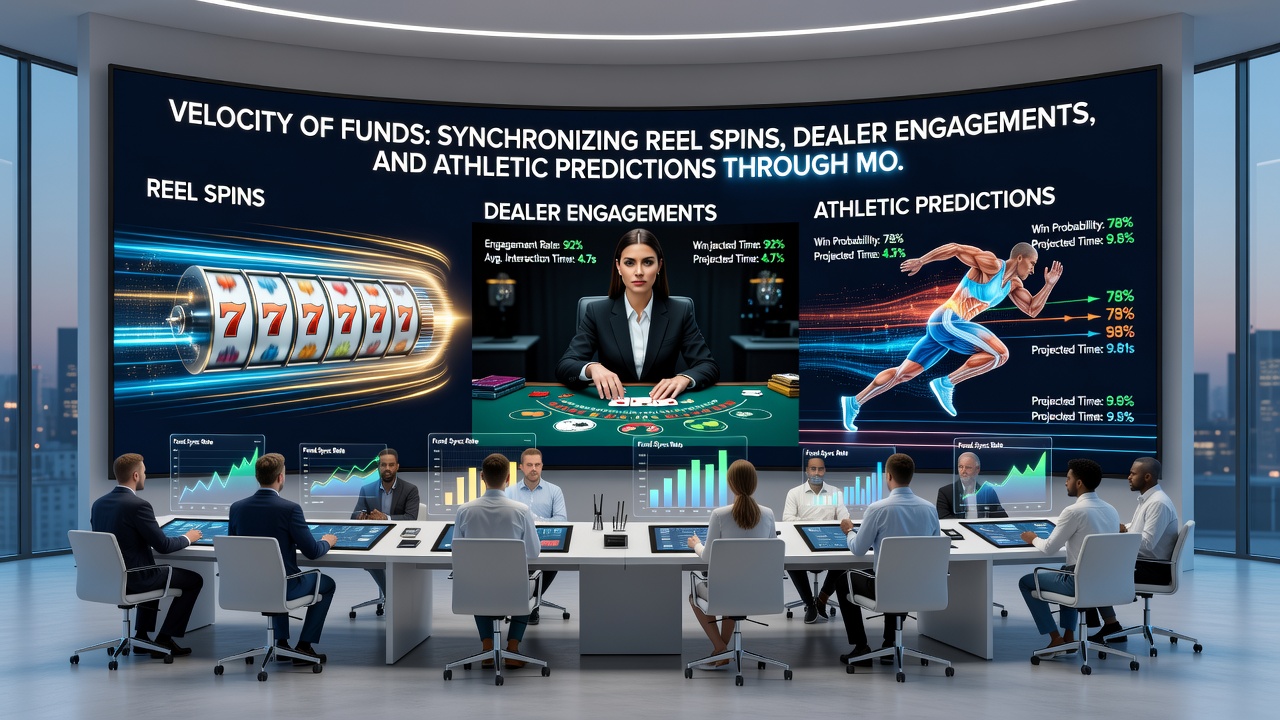
Experts tracking dealer engagement patterns observe that instant top-ups via mobile networks also support multi-table play, where users switch between rooms while funds migrate automatically. In August 2026, several operators reported deploying predictive routing algorithms that anticipate deposit needs based on table occupancy rates, further tightening the loop between cash flow and physical dealer actions. This setup means a player can fund a new table seat during the brief interval between rounds without breaking concentration on the stream.
Athletic Predictions and Dynamic Odds Integration
Sports betting markets operate on fluctuating odds that change with live events, requiring fund velocity to match the pace of athletic developments. Mobile transaction networks feed player accounts directly into odds engines so that wagers on in-play predictions settle within the same second the bet is placed. Data compiled by university researchers at the University of Nevada Reno highlight that platforms with sub-second settlement capabilities process 45 percent more live bets per user during major events compared with slower legacy systems. Observers note that these networks also manage cash-out features by recalculating partial payouts instantly, allowing users to lock in gains or cut losses before the next play unfolds.
What's significant is the way mobile networks coordinate across multiple prediction types, from pre-match accumulators to micro-bets on specific game moments. When a goal occurs in a football match, for instance, updated odds appear alongside an automatic balance refresh that reflects any unsettled positions. This synchronization prevents the common friction where funds sit in pending states while the action continues elsewhere on the platform.
Network Architecture Supporting Cross-Activity Flow
The underlying mobile infrastructure combines 5G bandwidth with distributed ledger elements to maintain consistent fund velocity whether a user spins reels, engages a dealer, or tracks athletic outcomes. Payment service providers route requests through regional nodes that prioritize low latency, ensuring that a withdrawal request initiated after a sports cash-out processes at the same speed as a deposit for the next slot session. Industry analyses show that operators adopting unified APIs across these verticals reduced reconciliation errors by nearly half during the transition period ending in mid-2026.
Those who've studied the data emphasize that security protocols remain embedded in every hop, with tokenization applied to each transfer so that personal banking details never enter the gambling environment itself. This architecture supports the seamless switches users expect when moving from one activity to another without re-authenticating payment methods each time.
Conclusion
Mobile transaction networks have established a framework where fund velocity directly supports synchronized participation across slot reels, live dealer tables, and sports prediction markets. The patterns observed through 2026 demonstrate that faster, more integrated payment flows correlate with sustained user engagement across these distinct yet interconnected segments. As network capabilities continue to advance, the same principles of real-time synchronization are likely to shape future platform iterations without altering the core requirement for secure and measurable monetary movement.