UK Government Kicks Off Consultation on Overhauling Gambling Commission Licensing Fees for Full Cost Recovery
Xander Müller · Apr 17, 2026

UK Government Kicks Off Consultation on Overhauling Gambling Commission Licensing Fees for Full Cost Recovery
The Launch of the Public Consultation
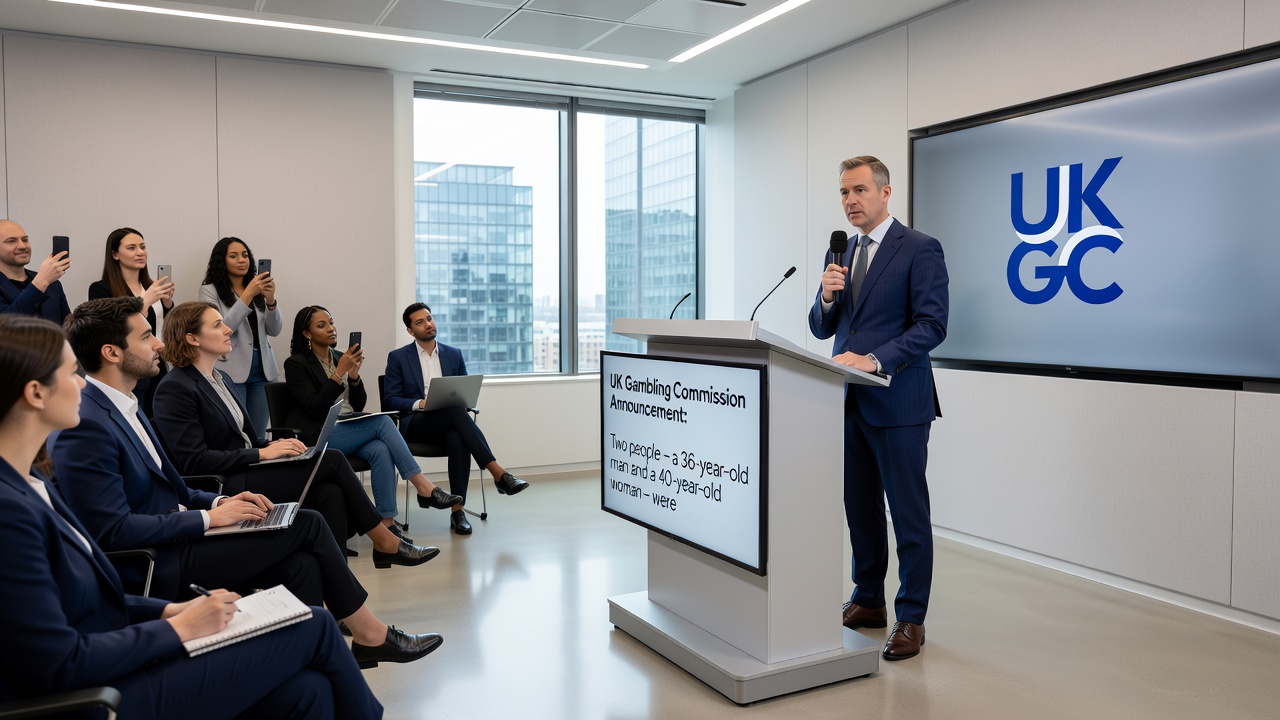
The UK government has launched a public consultation aimed at adjusting Gambling Commission licensing fees, with the goal of achieving full cost recovery while better aligning those fees with regulatory risk and operator market share; this move comes as regulators seek to ensure sustainable funding for oversight in a sector that generated £13.4 billion in Gross Gambling Yield (GGY) for the 2024/25 period.
Observers note that the consultation, spearheaded by the Department for Culture, Media and Sport (DCMS), invites input from industry stakeholders, players, and the public on proposed changes that could reshape how operators pay for their licences; those changes target everything from annual fees to application costs, reflecting a push towards a more risk-based and proportionate system.
What's interesting here is how the proposals tie directly into the Commission's current financial picture, where annual income from fees stood at £27.9 million, covering operations for 2,179 operators and 19,300 personal licences as of March 2025; that setup, while functional, leaves gaps in full recovery, prompting this structured review.
Key Proposals Breaking Down the Fee Adjustments
At the heart of the consultation lie three options for annual fee increases ranging from 20% to 30%, each designed to bridge the shortfall between current revenues and the full costs of regulation; operators would see these uplifts applied across personal and non-remote licences, but not immediately to remote ones, which face a separate tiered overhaul.
The reality is that fees currently don't scale with an operator's footprint, so the new calculation method introduces weighting by GGY market share alongside product risk categories; bigger players with higher shares in riskier segments like remote casinos—which clocked £5 billion in GGY—would shoulder more of the load, while smaller outfits pay less proportionally.
And then there's the harmonisation effort for non-remote casino licences under the 1968 and 2005 Acts, which currently operate under mismatched fee structures; bringing them in line streamlines administration, cuts confusion, and ensures fairness across legacy and modern licensing regimes.
Uplifts to application and maintenance fees round out the package, with proposed hikes ensuring upfront costs reflect the effort involved in processing and ongoing compliance checks; take one example where experts have observed that variable fees based on premises size or licence type already exist, but these tweaks amplify that logic for better precision.
- Annual fees: 20%, 25%, or 30% increases across options.
- Remote licences: Tiered by GGY share (e.g., top 10% pay more) and risk (online slots higher than betting).
- Non-remote casinos: Unified fees regardless of governing Act.
- Applications/maintenance: Broad uplifts to match regulatory workload.
This tiered approach, while complex, mirrors patterns seen in other regulated sectors where risk dictates contributions; people who've studied fee models know it prevents smaller operators from being crushed while high-volume players contribute accordingly.
Background on the Regulatory Funding Squeeze
Turns out the Gambling Commission has long operated under a partial cost recovery model, where fees cover just a fraction of the £100 million-plus annual regulatory spend; data indicates that with industry GGY soaring to £13.4 billion amid 2,179 active operators, the mismatch has grown stark, especially as personal licences hit 19,300 by March 2025.
But here's the thing: past consultations and statutory instruments have nudged fees upward incrementally, yet full alignment with costs—and now risk and market share—marks a bolder step; researchers who've tracked this note how remote sectors, particularly casinos at £5 billion GGY, demand disproportionate oversight due to higher player protection needs.
Those who've followed Commission reports see this as evolutionary, building on existing bands where fees already vary by activity type; the new weights, however, introduce GGY market share as a multiplier, so an operator grabbing 5% of remote betting GGY pays notably more than one at 0.1%, all while risk scores for products like slots elevate contributions further.
It's noteworthy that non-remote harmonisation addresses a quirk from pre-2005 licensing, where 1968 Act casinos paid differently from their 2005 counterparts; unifying them simplifies renewals, a boon for operators juggling multiple sites.
Timeline and Implementation Path
Changes, if adopted, roll out via secondary legislation on 1 October 2026, giving operators over a year to prepare; that timeline includes a consultation window closing later this year, followed by analysis and DCMS-led policymaking through early 2026.
Now, April 2026 emerges as a pivot point, when draft regulations likely hit Parliament for scrutiny, allowing operators to model impacts using Commission-provided calculators; experts anticipate transitional provisions easing the shift, perhaps grandfathering current fees for ongoing licences until renewal.
The process involves close collaboration between the DCMS and Gambling Commission, with public input shaping the final packages; stakeholders can submit via the government's online portal, focusing on affordability, competitiveness, and unintended effects on smaller players.
One case where observers have seen similar timelines play out involved prior fee uplifts in 2020, which cleared implementation hurdles through phased rollout; this consultation echoes that, but amps up the risk-weighting for modern challenges like online proliferation.
Implications for Operators Across the Board
Larger operators with dominant GGY shares stand to absorb the brunt, yet data shows they already dominate revenues; mid-tier firms might see manageable hikes if their risk profiles stay low, while new entrants face steeper application fees that could test business plans.
So, product mix matters hugely under the proposals—shifting emphasis to lower-risk betting over high-risk slots could temper fees; those who've modelled scenarios discover that a 25% average uplift, combined with share-based tiers, might add millions for top players but thousands for most others.
Harmonisation benefits brick-and-mortar casinos directly, ending dual-track compliance; and since maintenance fees rise too, expect sharper incentives for timely renewals and accurate declarations.
It's interesting how this ties into broader sector health, where steady participation at 48% underscores the need for funded protections without stifling growth; the ball's now in stakeholders' court to weigh in before October 2026 locks it in.
Conclusion
The consultation represents a calculated pivot towards sustainable, risk-attuned funding for gambling regulation, with 20-30% annual increases, GGY-share weighting, casino harmonisation, and fee uplifts setting the stage for 1 October 2026 implementation; as DCMS and the Gambling Commission digest responses through 2025 and into April 2026's drafting phase, operators prepare for a landscape where contributions match both size and scrutiny levels.
Figures from £27.9 million in current income against £13.4 billion GGY highlight the urgency, ensuring the Commission sustains oversight for 2,179 operators and beyond; stakeholders engaging now shape a system that's fairer, more precise, and fully resourced for the road ahead.