Tiered Service Structures Enhancing Mobile Engagement in Slots, Live Dealer Games, and Sports Wagering
Parker Braun · Nov 4, 2026
Tiered Service Structures Enhancing Mobile Engagement in Slots, Live Dealer Games, and Sports Wagering
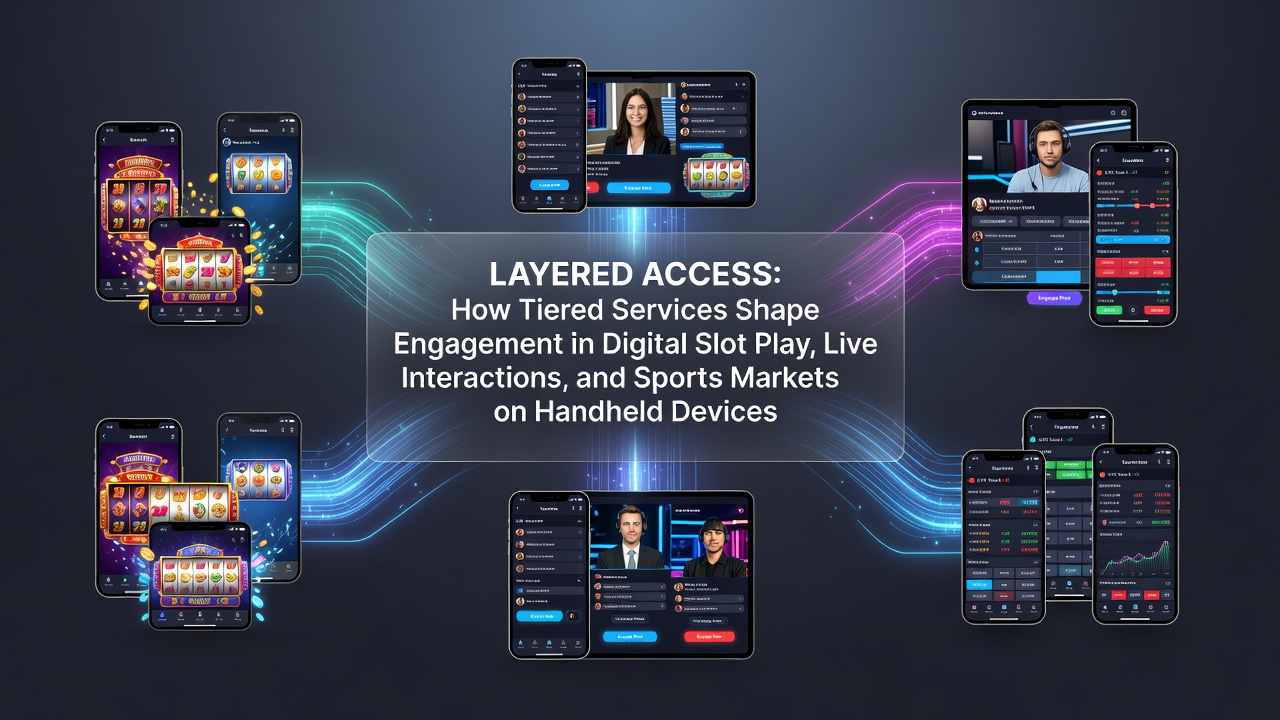
Platforms offering digital slots, live dealer sessions, and sports markets on handheld devices have adopted membership hierarchies that segment users into distinct access levels, and these structures directly influence how players interact with each category of content. Data from multiple markets shows that users assigned to higher tiers receive accelerated reward accumulation, priority entry to exclusive live tables, and customized odds feeds in sports sections, while entry-level participants encounter standard payout rates and limited promotional cycles. Industry analysts tracking activity through November 2026 note that retention curves steepen once players cross the first threshold, because the visible gap in benefits encourages continued play to unlock the next stage.
Slot sections within these tiered ecosystems display the clearest progression mechanics. Base-level accounts spin standard reels with fixed return-to-player percentages, yet once a user accumulates enough activity points to reach silver or gold status, the same game titles unlock additional free-spin batches, higher maximum bet ceilings, and direct deposit into progressive jackpot pools reserved for elevated members. Observers note that average session lengths extend by measurable margins after tier advancement, since the incremental rewards create repeated feedback loops that keep reels in motion longer than they would under uniform access conditions.
Live Dealer Interactions and Tiered Privileges
Live dealer environments operate under similar segmentation rules, where camera angles, table limits, and dealer interaction frequency shift according to membership rank. Platinum-level participants on mobile apps gain reserved seats at high-limit blackjack and roulette streams, along with chat privileges that allow direct requests for specific side bets unavailable to lower ranks. Research compiled by the European Gaming and Betting Association indicates that live session completion rates rise when players perceive these exclusive pathways, because the visual and social distinctions reinforce the value of sustained engagement across multiple tables simultaneously.
Handheld interfaces further amplify these differences through adaptive loading sequences; higher-tier devices receive priority bandwidth allocation during peak hours, reducing lag between card reveals and result confirmations. Those who have studied user logs across several operators report that live game drop-off points occur earlier for base-tier accounts precisely because they encounter queue times and restricted feature sets that higher ranks bypass entirely.
Sports Markets and Graduated Access Features
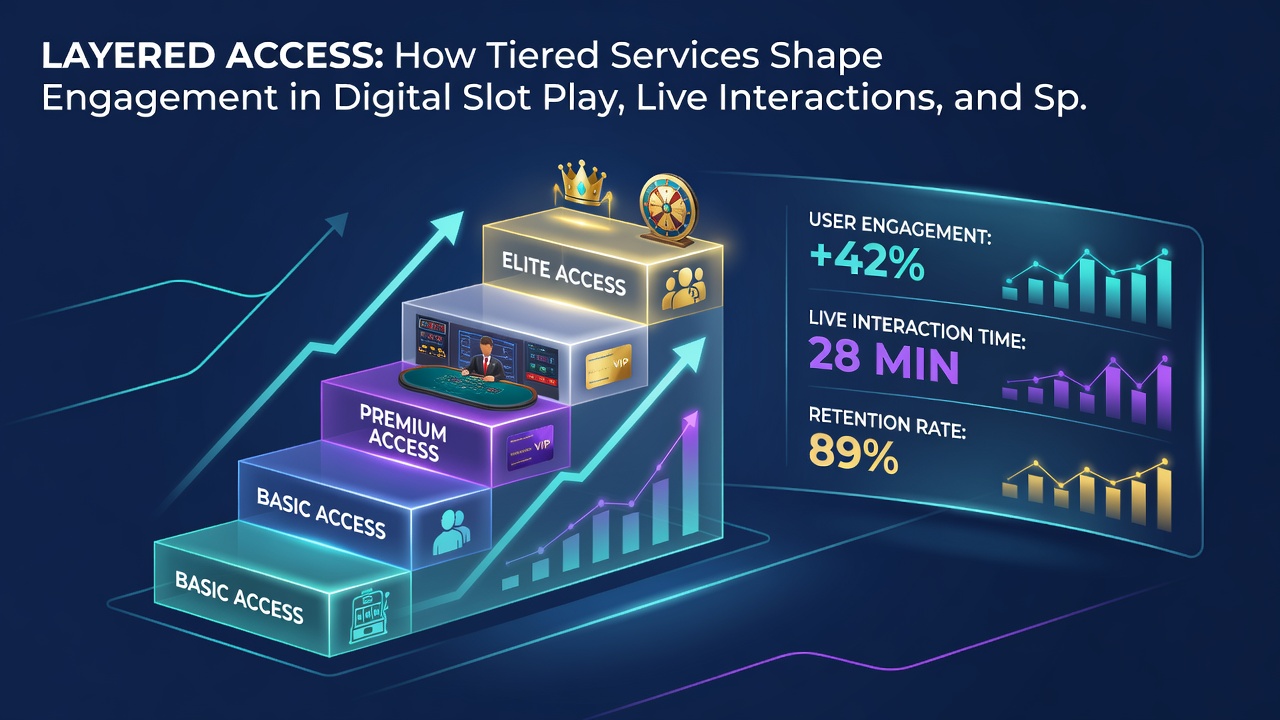
Sports wagering sections integrate tier data into both pre-match and in-play offerings, granting elevated members earlier access to boosted odds, cash-out sliders with reduced margins, and segmented leaderboards that award additional credits based on cumulative accuracy. Figures released by the Ontario Lottery and Gaming Corporation demonstrate that users who progress through three or more tiers place a higher proportion of in-game wagers compared with those remaining at entry level, because the layered incentives align with the fast-paced decision windows typical of live sports events streamed to mobile screens.
Notification systems also diverge by rank, sending tier-specific alerts about lineup changes or injury updates moments ahead of public feeds. This timing advantage compounds when combined with personalized stake suggestions calibrated to each user's historical performance within their assigned tier, creating closed loops of information that keep sports sections active throughout match durations.
Cross-Category Movement and Retention Data
Operators track how movement between slots, live tables, and sports markets changes once tier thresholds activate. Activity logs reveal that players who unlock mid-level status frequently migrate portions of their balance from one vertical to another within the same session, drawn by cross-promotions that award bonus spins after a qualifying sports bet or live table milestone. Such patterns hold steady through late 2026, with platform dashboards showing measurable lifts in multi-vertical participation following each tier upgrade cycle.
Payment processing speeds and withdrawal priority lists follow the same hierarchy, reducing friction for higher ranks while maintaining standard verification windows for newer accounts. This operational layering ensures that the perceived speed of reward delivery matches the access level granted, reinforcing continued movement through the membership structure without altering core game mathematics.
Conclusion
Tiered service models on handheld platforms therefore function as integrated frameworks that allocate differentiated experiences across slots, live dealer streams, and sports markets according to accumulated activity. Metrics gathered from multiple jurisdictions confirm that these graduated systems correlate with extended engagement windows and higher rates of cross-vertical play once users advance beyond initial ranks. The architecture remains consistent even as individual game titles and event calendars evolve, because the underlying segmentation logic stays tied to measurable participation thresholds rather than content-specific variables.