The Architecture of Cross-Format Play: How Applications Merge Various Casino Offerings With Sports Options and Facilitate Transactions
Xander Müller · Jun 14, 2026
The Architecture of Cross-Format Play: How Applications Merge Various Casino Offerings With Sports Options and Facilitate Transactions
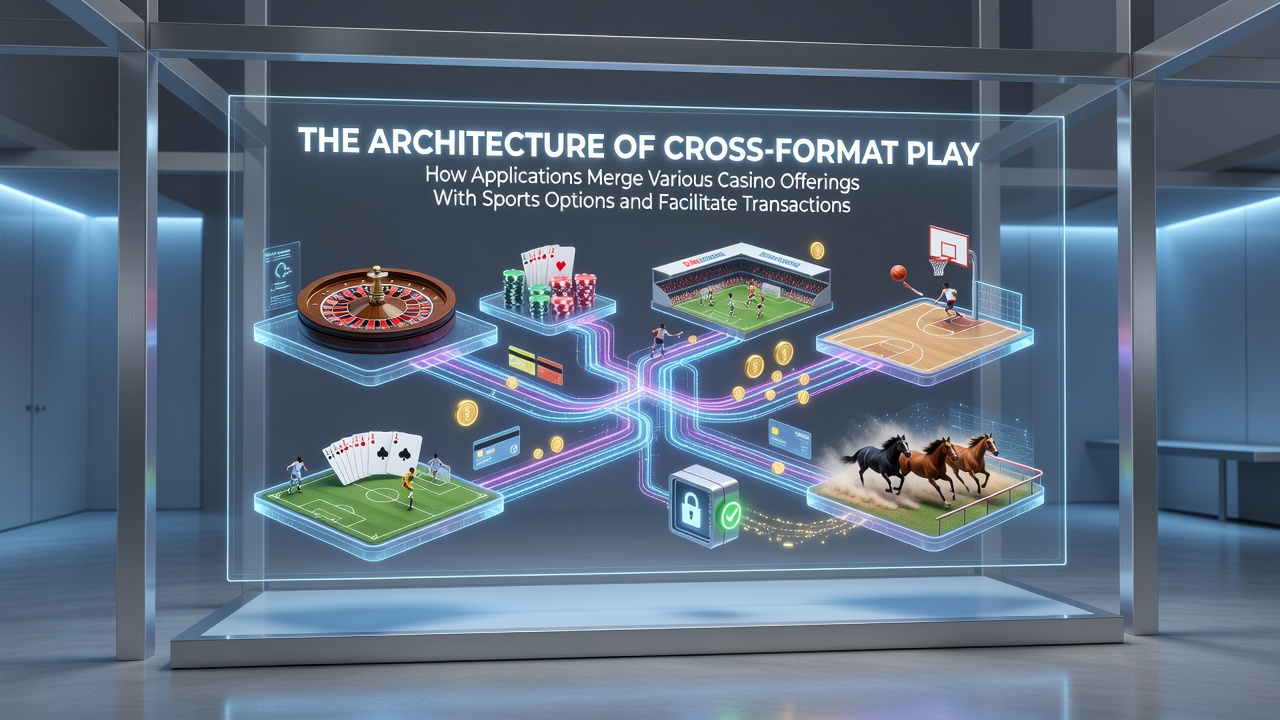
Modern gambling applications combine slot machines, live dealer streams, table games, and sports betting into single platforms where users move between formats without separate logins or wallets, and transaction systems handle deposits, withdrawals, and bonus redemptions across all sections in real time. Developers achieve this integration through modular backend architectures that rely on shared APIs, unified user profiles, and centralized payment processors capable of processing multiple transaction types simultaneously.
Shared Backend Systems and Data Flows
Applications connect casino offerings and sports options through centralized databases that track user activity across verticals, while algorithms adjust odds, jackpots, and promotions based on combined play patterns. When a player places a sports wager during a live event, the same system credits any triggered casino bonuses to the unified balance, and transaction ledgers record each step with timestamps that regulators in multiple jurisdictions can audit. Data from the European Gaming and Betting Association shows that platforms using these shared systems report higher session continuity because users stay logged in longer when switching between live dealer tables and in-play sports markets.
Payment facilitation relies on gateways that support instant verification across formats, and developers integrate methods such as digital wallets, bank transfers, and prepaid cards into one interface. A deposit made while viewing slot reels appears immediately in the sports betting section, allowing seamless participation in both areas without additional authorization steps. Observers note that these gateways reduce processing delays to under three seconds for most transactions, according to industry benchmarks published in 2025 technical reports.
Transaction Handling Across Formats
Applications route all financial activity through a single ledger that tags entries by format type yet maintains one overall balance, which simplifies compliance reporting and user reconciliation. In June 2026, updates to several major platforms introduced automated reconciliation tools that flag discrepancies between casino and sports ledgers within minutes, cutting manual review time for operators. These tools pull data from both real-time sports feeds and random number generator outputs, then match them against payment confirmations to maintain accuracy.

Bonus systems span formats by applying wagering requirements that count contributions from slots, live tables, and sports bets toward the same target, and the architecture tracks this progress in a unified progress bar visible in every section of the app. When a user completes requirements through mixed activity, the system releases funds to the main balance and notifies the player through in-app messages that appear regardless of current format. Research from the University of Nevada's gaming studies department indicates that such cross-format bonus structures increase average deposit frequency by 18 percent compared with siloed promotions.
User Interface and Navigation Design
Navigation menus organize casino and sports options side by side, with quick-switch buttons that preserve the current game state when users move to another vertical. Live dealer streams remain active in a minimized window while users check sports odds or adjust bets, and transaction confirmations overlay the screen without interrupting play. Developers test these interfaces against accessibility standards set by the Australian Communications and Media Authority, ensuring that color contrasts and text sizes meet requirements across all integrated sections.
Security layers encrypt transaction data at the point of entry and maintain separate channels for casino versus sports activity logs, yet both feed into the same compliance database. Multi-factor authentication applies once per session even when users cross formats, reducing friction while satisfying regulatory demands from bodies such as the New Jersey Division of Gaming Enforcement. Platform logs show that this approach cuts authentication-related drop-offs by roughly 12 percent during peak hours.
Conclusion
Cross-format applications succeed because their architecture treats casino and sports elements as interchangeable modules connected by shared data layers and transaction engines, allowing operators to deliver consistent experiences while meeting diverse regulatory standards. Continued refinement of these systems focuses on faster reconciliation, broader payment method support, and more precise cross-format bonus tracking, developments that industry reports from 2026 already document as standard practice among leading providers.