Syncing Live Broadcasts with Random Mechanics Across Mobile Betting Applications
Parker Braun · Aug 21, 2026
Syncing Live Broadcasts with Random Mechanics Across Mobile Betting Applications
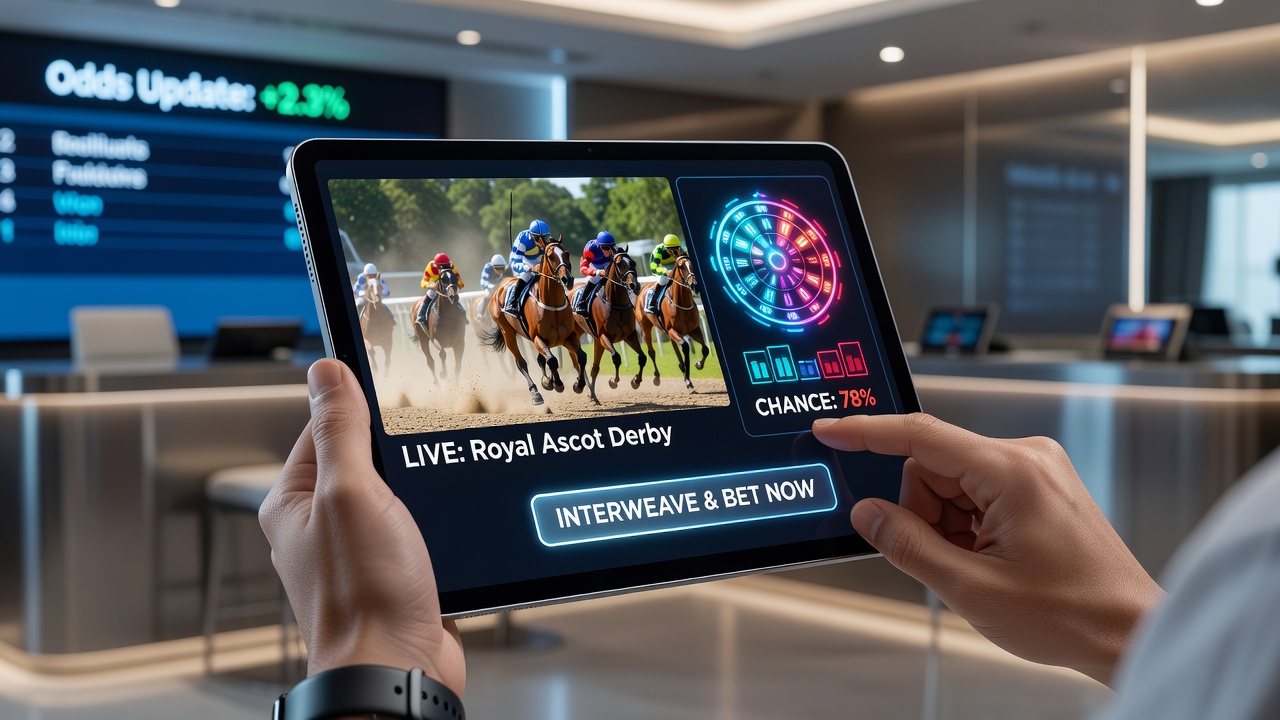
Portable betting environments now combine continuous video streams from sports venues or dealer tables with probability-driven features that activate based on real-time events, and this integration relies on synchronized data feeds that push updates to user devices within milliseconds while random number generators determine secondary outcomes such as bonus multipliers or side wagers.
Core Technical Integration Patterns
Developers achieve this by layering application programming interfaces that pull live action data from broadcast sources directly into the same session that manages chance-based elements, so a goal in a football match can trigger an immediate probability calculation for an in-app mini-game without requiring the user to switch screens or reload separate modules. Research from the University of Nevada Reno Gaming Innovation Lab shows that such layered systems reduce latency to under 200 milliseconds in controlled tests conducted through 2025, which allows the live feed to feel uninterrupted while the random mechanics respond to the same data stream.
One implementation uses event listeners that monitor the broadcast metadata for specific triggers like score changes or card draws, then feeds those markers into the random outcome engine; the result appears as an overlay graphic on the live video window, and users see both the ongoing action and the chance resolution in a single view. Data from industry reports compiled by the European Gaming and Betting Association indicate that adoption of these combined interfaces grew by 27 percent among major operators between 2024 and 2026.
Examples from Current Deployments
Take one sports-focused platform that embeds a live tennis match feed in the main panel while a secondary probability panel runs quick reel spins whose symbols correspond to player performance metrics pulled from the broadcast, so an ace serve increases the chance of a high-value symbol appearing on the next spin. Another case involves live dealer blackjack streams where side bets on random card sequences run in parallel, with the deck shuffle mechanics tied to the same server that processes the physical table results; observers note that this setup maintains regulatory compliance because each random element remains auditable through separate certification logs.
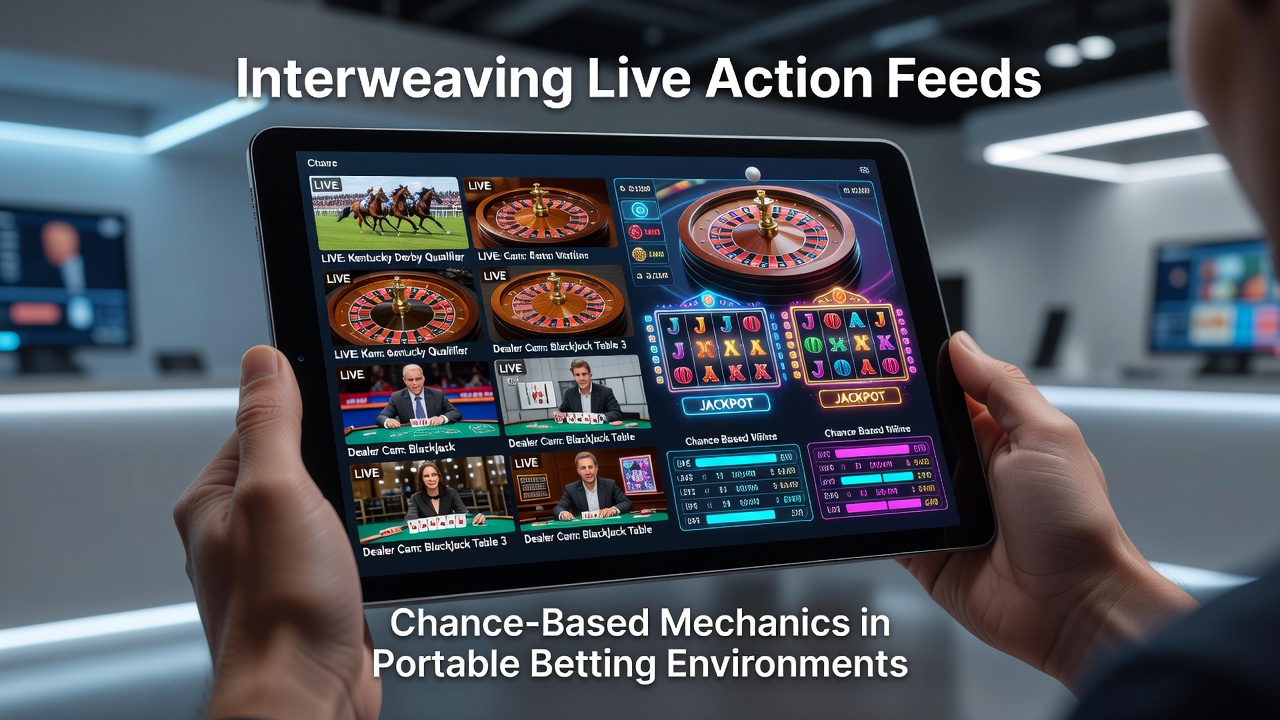
Platforms handling both sports and table games often route all feeds through a central content delivery network that tags each packet with timestamps, which ensures the random mechanics stay aligned with the visual action even when network conditions fluctuate. In August 2026 several operators introduced enhanced timestamp protocols that further tightened synchronization across 5G connections in urban test markets.
Regulatory and Security Considerations
Regulatory bodies outside the United Kingdom, including the Nevada Gaming Control Board and the Australian Communications and Media Authority, require that any random element operating alongside a live feed undergoes independent testing for fairness and that audit trails remain separate from the video stream itself. This separation prevents any possibility that broadcast data could influence the probability calculations, and testing protocols now include simulated packet loss scenarios to verify continued compliance under variable mobile conditions.
Security frameworks add encryption layers around both the live video packets and the random seed values, while device-level checks confirm that the application has not been altered before allowing access to combined features. Industry organizations such as the World Lottery Association have published guidelines that emphasize maintaining distinct certification paths for each component even when they appear merged on the user screen.
User Interface and Performance Factors
Interface designs prioritize responsive scaling so the live feed occupies the primary viewing area on smaller screens while chance elements appear as compact overlays or expandable panels that users can toggle without losing sight of the main action. Performance metrics collected by academic researchers at the University of Melbourne indicate that optimized hybrid sessions maintain frame rates above 60 per second on mid-range smartphones when the random calculations stay under 5 percent of total processing load.
Network efficiency improves when operators compress the live stream and pre-load common random outcome assets during periods of lower activity, which reduces data usage while preserving the seamless appearance of integrated events. Users on variable connections still receive consistent experiences because fallback modes prioritize the live feed continuity over immediate display of chance results.
Conclusion
The technical, regulatory, and design elements described above form the foundation for current portable betting environments that interweave live action with chance mechanics, and ongoing refinements in synchronization protocols along with updated testing standards from multiple jurisdictions continue to shape how these systems evolve in practice.