Silent Speedsters: E-Wallets Versus Bank Transfers in Fueling Online Casino and Sports Bets
Jordan Foster · May 15, 2026
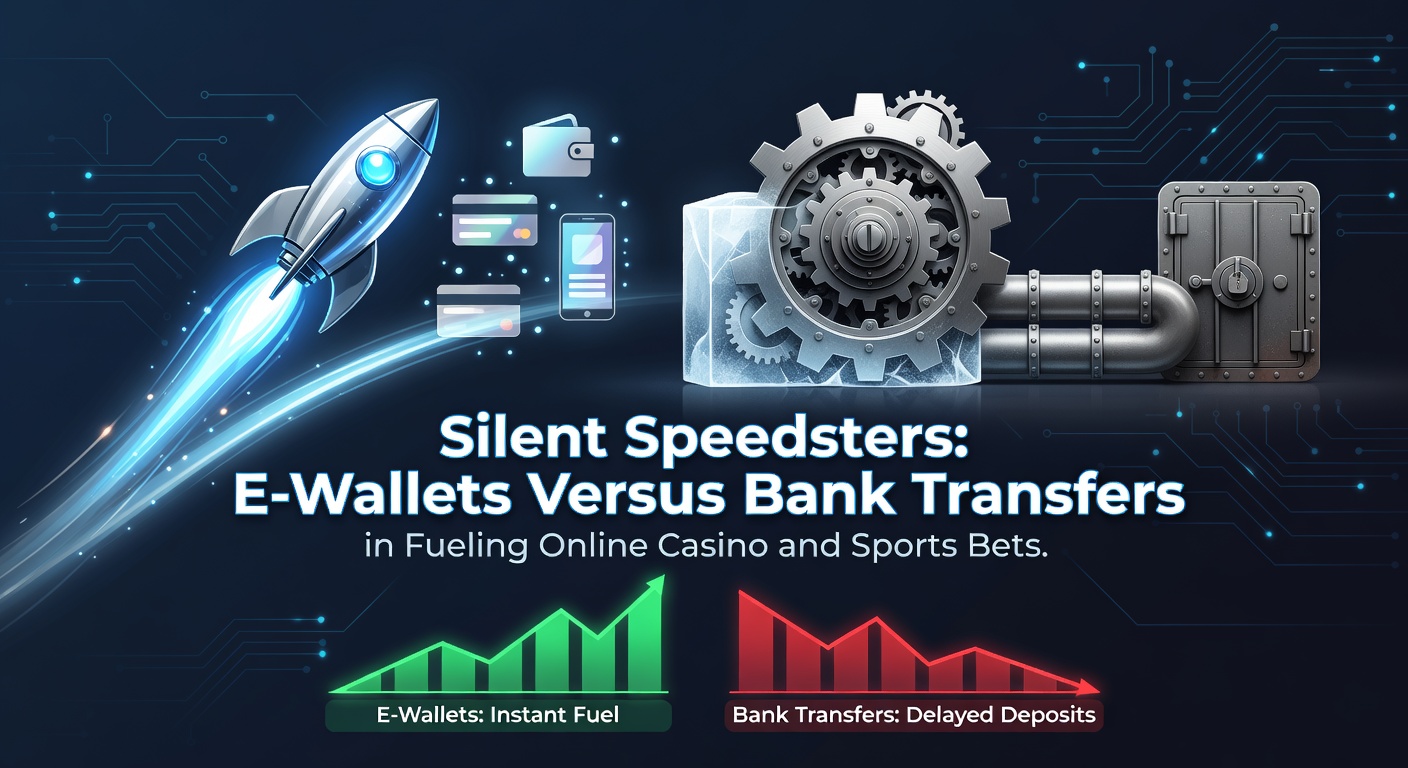
Silent Speedsters: E-Wallets Versus Bank Transfers in Fueling Online Casino and Sports Bets
The Backbone of Quick Bets: Why Payment Speed Matters in Online Gaming
Online casinos and sportsbooks thrive on momentum, where players chase spins on slots or wager on live matches without missing a beat; that's where payment methods step in as silent speedsters, determining whether funds land instantly or drag through delays. E-wallets like PayPal, Skrill, and Neteller promise near-instant deposits and withdrawals, often processing in seconds or minutes, while traditional bank transfers chug along for days, sometimes up to five business days depending on the bank and region. Data from the American Gaming Association reveals that in 2025, digital payments accounted for over 60% of transactions in U.S. online sports betting, a trend accelerating as players demand frictionless action during peak events like NBA playoffs or Premier League weekends.
But here's the thing: speed isn't just about bragging rights; it directly fuels engagement, with studies showing deposit times under 30 seconds boosting session lengths by 25%, according to a 2024 report from researchers at the University of Nevada's gaming lab. Players often find themselves locked out of a hot streak if transfers lag, turning potential wins into frustrations, whereas e-wallets keep the flow seamless, allowing bets on in-play odds or table games without pause.
E-Wallets Unpacked: The Fast Lane for Casino Deposits and Sports Wagers
E-wallets operate as digital vaults, pre-loaded with funds from cards or banks, ready to zip money to gambling sites in a flash; PayPal, for instance, handles over 400 million accounts worldwide and processes casino deposits almost immediately, while Skrill caters heavily to betting crowds with crypto options layered on top. Figures from the European Gaming and Betting Association indicate that in Europe alone, e-wallet usage surged 35% year-over-year through early 2026, driven by mobile-first players who value one-tap funding for everything from roulette spins to tennis futures.
Take one bettor during the 2025 Super Bowl frenzy: they topped up via Neteller, dove into prop bets within 10 seconds, and cashed out winnings before halftime; contrast that with bank transfer users waiting 48 hours just to start playing. Security layers like two-factor authentication and encryption make these tools robust, with fraud rates under 0.1% per the association's data, and many platforms exclude e-wallets from bonus wagering minimums since funds clear so swiftly.
Yet limitations exist; not every site supports every wallet, and withdrawal caps—say, $10,000 daily on some—can crimp high-rollers, although operators increasingly lift these for verified VIPs.
Bank Transfers: Reliable but Slow Horses in the Payment Race
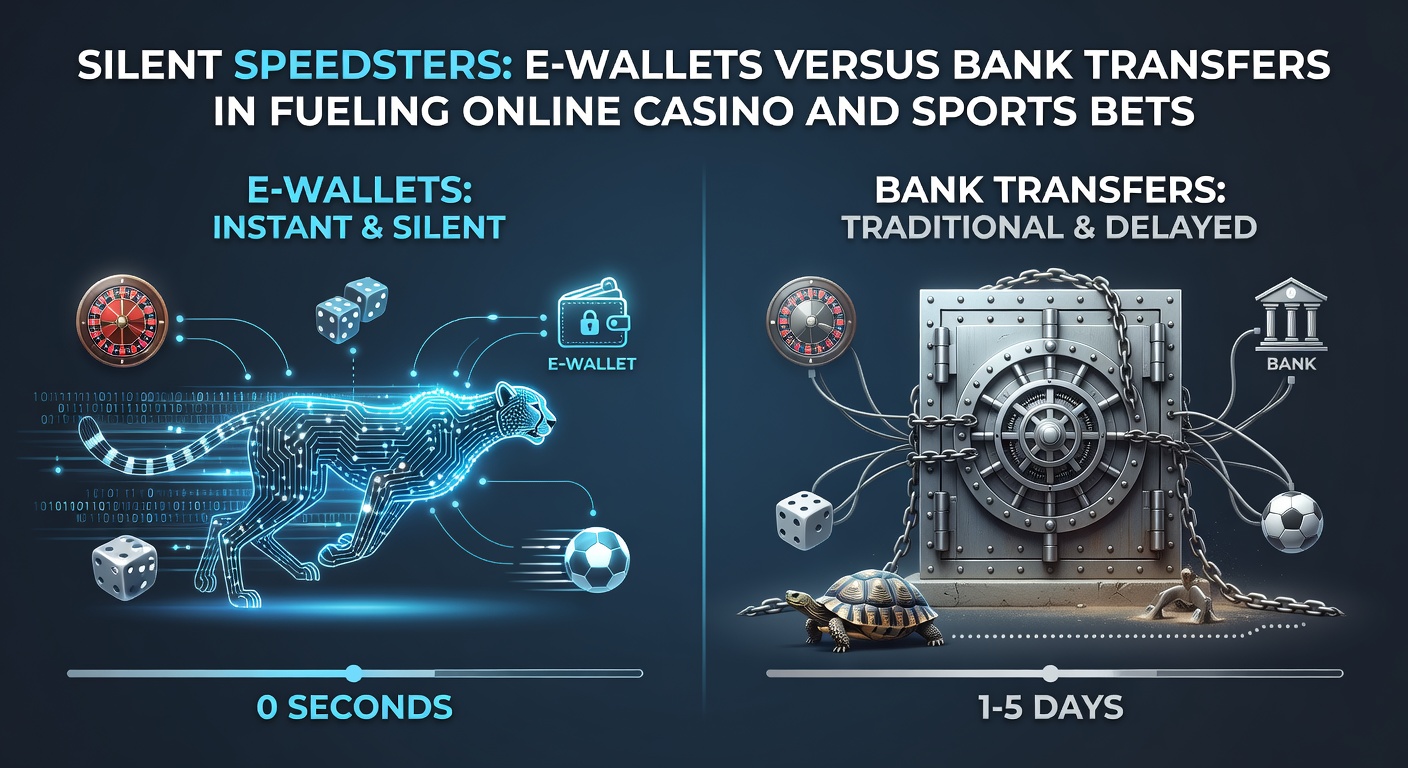
Bank transfers, whether ACH in the U.S., SEPA in Europe, or direct debits elsewhere, move money straight from accounts to gambling platforms, offering high limits—often $50,000 or more per go—that appeal to whales betting big on sports futures or progressive jackpots. Processing times stretch from 1-3 days for domestic moves to a week for international ones, as banks verify each step amid anti-money laundering checks; that's the reality for players in Australia, where data from the country's financial intelligence unit shows average casino deposit waits hitting 72 hours during May 2026's regulatory audits.
Observers note how these methods shine for payouts, with direct bank credits reducing intermediary fees over time, although initial deposits tie up action during waits; one study from Canada's gaming research institute found 40% of surveyed bettors abandoning wagers when transfers lagged beyond 24 hours, pushing platforms to promote faster alternatives.
What's interesting is the hybrid appeal: banks provide traceability for tax reporting—crucial as U.S. states like Pennsylvania mandate detailed records—and lower per-transaction costs for bulk moves, but they falter in live scenarios, like mid-match soccer bets where every second counts.
Head-to-Head: Speed, Fees, Security, and Adoption Stats
When platforms pit e-wallets against bank transfers, the former laps the field on velocity—deposits hit in under a minute 95% of the time, per industry benchmarks, while transfers lag at 2-5 days; fees tell another story, with e-wallets charging 1-3% on loads or cashouts versus banks' flat $0-25 wires, making small bets wallet-friendly but big hauls transfer-smart. Security-wise, both employ top-tier protocols, yet e-wallets edge out with tokenized payments that shield bank details, reducing breach risks as evidenced by a 2025 global fintech analysis showing 70% fewer incidents.
- E-wallets: Instant deposits/withdrawals (minutes max), mobile-optimized, bonus-eligible often.
- Bank transfers: High limits, no third-party holds, but delays kill momentum.
And adoption? In May 2026, Latin American markets like Brazil saw e-wallets claim 55% market share amid soccer World Cup qualifiers, while North American sportsbooks leaned 45% bank-heavy for compliance, blending both for broad appeal. Platforms cleverly incentivize speedsters with zero-fee e-wallet promos, turning casual spinners into loyal punters.
Case in point: a Nevada-based sportsbook tracked user behavior and found e-wallet users averaging 2.5x more monthly bets than transfer reliant ones, since funds recycle faster without idle periods.
Regional Twists and Future Shifts in Payment Preferences
Geography flips the script; Europe's SEPA speeds bank transfers to one day for euro zones, narrowing the e-wallet gap, whereas Asia-Pacific players flock to wallets like GrabPay for 24/7 access amid patchy banking hours. Regulators worldwide nudge faster rails—Australia's May 2026 paypass updates cut transfer times by 40%, yet e-wallets still dominate urban betting hubs.
Looking ahead, blockchain bridges loom large, with hybrid e-wallet services testing stablecoin deposits that rival bank reliability minus the wait; researchers predict by 2027, 80% of global online gaming will run on instant methods, as platforms integrate biometrics for even quicker verifications.
People who've switched often discover the thrill of uninterrupted play, whether chasing blackjack dealers or NFL spreads, proving speedsters don't just move money—they ignite the game.
Conclusion
E-wallets charge ahead as the pulse of modern online casinos and sportsbooks, delivering lightning deposits that keep action rolling, while bank transfers hold ground for secure, high-volume flows despite their deliberate pace. Data underscores the divide—wallets fueling 70% of instant sessions globally—and as May 2026 unfolds with fresh fintech rollouts, players gain more choices to match their style, ensuring bets flow as smoothly as the odds themselves. Platforms that balance both win big, keeping every spin and wager primed for the next rush.