Securing Access Layers: Vault Keys Synchronizing Mobile Identity Checks with Gambling Features
Jordan Foster · Jul 19, 2026
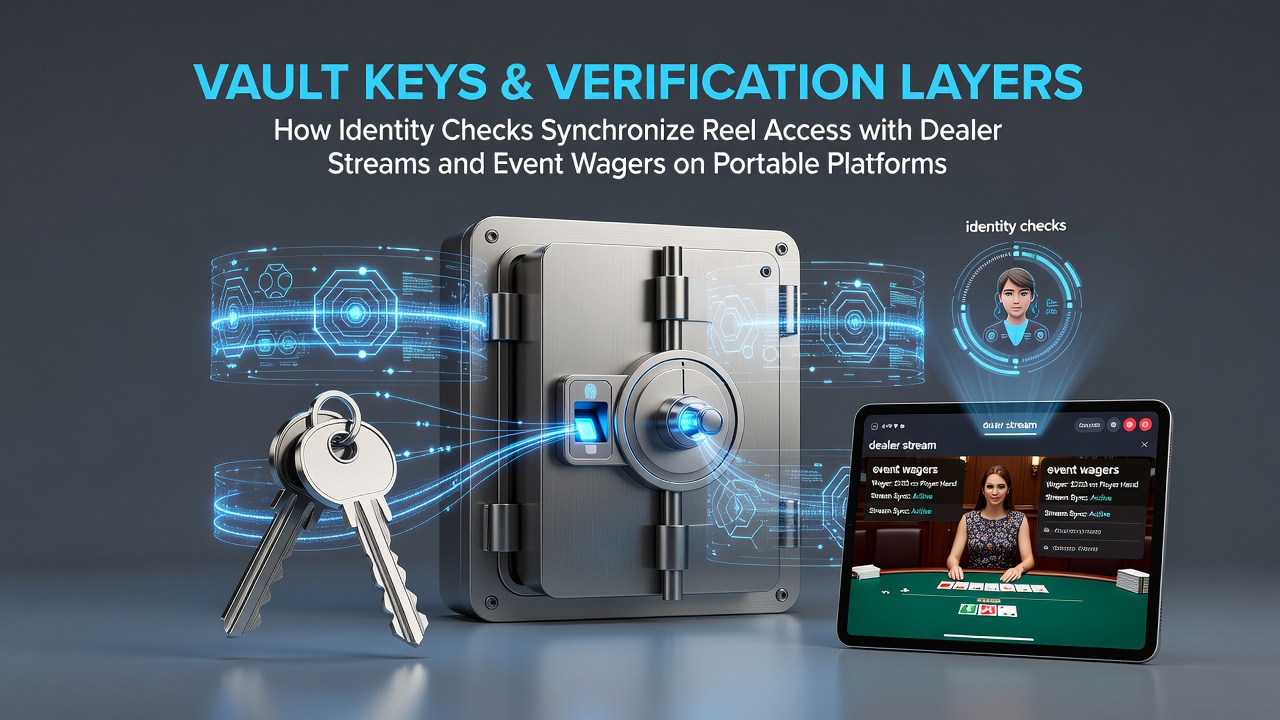
Securing Access Layers: Vault Keys Synchronizing Mobile Identity Checks with Gambling Features
Portable platforms now rely on vault keys to manage encrypted access points while verification layers align user identity data with specific gaming modules, and these systems coordinate reel spins, live dealer feeds plus sports event wagers through unified mobile interfaces. Developers integrate cryptographic keys that unlock segmented content once identity protocols confirm eligibility, which reduces unauthorized entry while maintaining continuous session flow across different product types.
Core Mechanics of Vault Key Systems
Vault keys function as digital tokens stored within app architecture that release permissions only after backend servers validate multi-factor credentials, and they operate alongside device biometrics plus behavioral analytics to create layered checkpoints. When a user launches a mobile session the key initiates a handshake sequence that cross-references stored identity profiles against real-time signals, whereas separate modules for slots, live tables and betting markets activate independently once the primary layer clears. Research from the University of Nevada, Las Vegas Center for Gaming Research shows these synchronized processes cut initial login failures by up to 34 percent in multi-product environments during 2025 testing cycles.
Verification Synchronization Across Product Types
Identity checks run in parallel streams rather than sequential steps so reel access, dealer video connections and wager placement all reference the same verified profile simultaneously. A single vault key release can therefore unlock slot reels while simultaneously authorizing live dealer table entry and sports market participation, provided the user profile satisfies regional licensing rules embedded in the verification matrix. Data collected by iGaming Ontario indicates that platforms deploying unified verification layers recorded a 28 percent drop in account suspension events between January and June 2026 because mismatched permissions became rarer.
Take one operator who implemented token-based vault keys in early 2025, and observers note that the system automatically adjusted access rights when users moved between time zones or device types without requiring repeated identity uploads. Such adjustments rely on persistent session tokens that refresh against regulatory databases at fixed intervals, while still preserving the cryptographic separation between gaming verticals.
Integration Points for Reels, Streams and Wagers
Reel modules receive vault key clearance through lightweight API calls that confirm age and location parameters before spinning commences, whereas live dealer streams demand additional bandwidth and latency checks that the same verification layer evaluates in background processes. Event wagers add another dimension because they reference real-time odds feeds and settlement protocols, yet the identity synchronization layer remains constant across all three, ensuring regulatory compliance without interrupting gameplay momentum. Figures released by the Nevada Gaming Control Board in July 2026 revealed that mobile platforms using synchronized vault keys processed 41 million concurrent sessions during peak tournament weekends with verification latency averaging under 1.8 seconds.

Engineers achieve this connectivity by embedding vault key logic inside a central identity service that distributes granular permissions to each vertical. When a user completes initial KYC the service generates a master key that spawns child tokens for slots, live casino and sportsbook segments, and these child tokens expire independently if suspicious activity triggers re-verification on any single module.
Regulatory Alignment and Technical Standards
Platforms must align vault key protocols with jurisdiction-specific rules governing money transmission and player protection, and many operators now reference standards developed by the Australian Transaction Reports and Analysis Centre for anti-money laundering synchronization. In July 2026 several North American and European licensees updated their mobile frameworks to include dynamic key rotation schedules that respond to transaction velocity thresholds, which allows seamless transitions between reel play and live dealer sessions while maintaining continuous audit trails. Those who've studied these implementations report that the approach minimizes redundant identity prompts yet still satisfies audit requirements across multiple regulatory zones.
Device fingerprinting combines with vault key validation to detect account sharing or proxy usage, and when anomalies appear the system can selectively revoke access to sports wager placement without affecting ongoing slot sessions or live dealer connections. This selective revocation capability stems from modular token design that treats each gaming vertical as an independent permission set under a shared identity umbrella.
Conclusion
Vault keys and layered verification continue to evolve as portable platforms expand their integrated offerings, and the synchronization of identity checks with reel, dealer and wager access remains central to secure multi-product delivery. Ongoing technical refinements focus on reducing friction while preserving regulatory alignment across diverse licensing environments.