Seamless Shifts: How Apps Enable Instant Switches Between Table Games, Dealer Streams, and In-Game Wagers
Parker Braun · Apr 5, 2026
Seamless Shifts: How Apps Enable Instant Switches Between Table Games, Dealer Streams, and In-Game Wagers
The Rise of Fluid Gaming Experiences in Mobile Apps
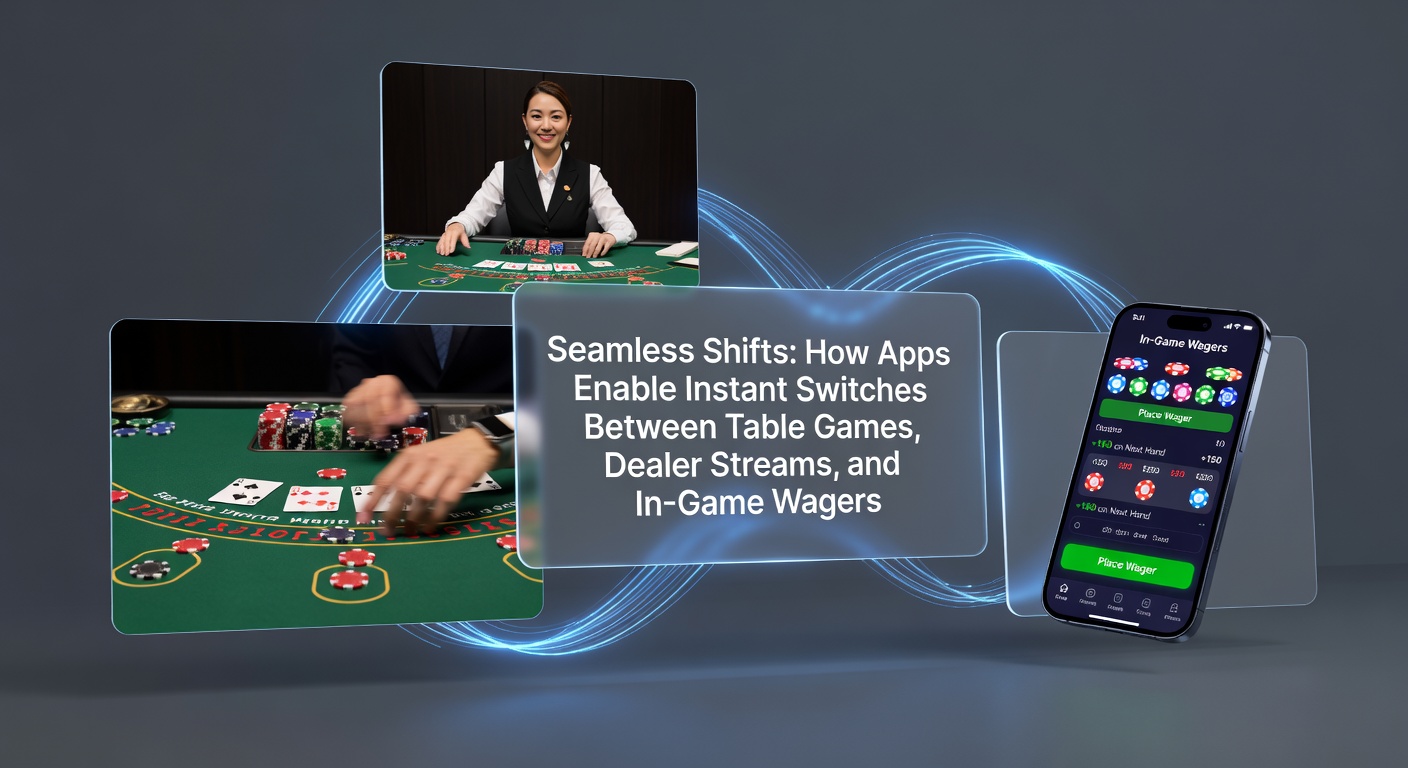
Online gambling platforms have transformed dramatically over recent years, with mobile apps now serving as the central hub where players glide effortlessly from blackjack tables to live dealer roulette sessions and then to mid-game sports bets on a tennis rally; this seamless integration, powered by advanced software architectures, keeps users engaged longer than traditional desktop setups ever could. Data from industry trackers reveals that in early 2026, app-based sessions averaged 45% more time spent per user compared to siloed experiences, as players switch contexts without losing momentum or funds. Developers achieve this fluidity through unified backends that sync wallets, bonuses, and session data across verticals, ensuring a single tap transports someone from a virtual poker hand to a streamed baccarat table or an NBA in-play wager.
What's interesting here lies in the underlying tech stack; real-time APIs connect slots, tables, live streams, and sportsbooks, while edge computing minimizes latency to under 50 milliseconds for dealer interactions, even during peak hours like major football finals. Observers in the sector point out how this setup mirrors everyday app behaviors—think jumping from email to maps without reloads—making casino navigation feel intuitive rather than clunky.
Technical Foundations Driving Instant Transitions
At the core of these seamless shifts, microservices architecture orchestrates the magic, where separate modules for table games, live dealer feeds from studios in Malta or Latvia, and sports data feeds from global providers like Opta converge into one responsive interface; developers use WebSockets for bidirectional communication, allowing bets to update live as a dealer spins the wheel or a goal scorer celebrates. According to a report from the European Gaming and Betting Association, over 70% of top apps in Europe now employ this setup, boosting retention by enabling players to hedge table losses with sports wagers in seconds.
But here's the thing: unified player accounts eliminate the old friction of logging out and in, since shared wallets track balances across all games; a user finishing a roulette spin might spot a live cricket over and place a props bet without pausing, all while loyalty points accumulate universally. Security layers, including biometric logins and end-to-end encryption, protect these transitions, as mandated by regulators worldwide.
And low-latency video streaming tech, often via protocols like HLS adaptive bitrate, ensures dealer cams from Bucharest or Manila load instantly, even on 4G connections; this matters because dropped feeds used to kill momentum, but now apps prefetch content based on user history, anticipating a switch from baccarat to baseball innings.
User Interface Tricks That Make Switching Feel Effortless
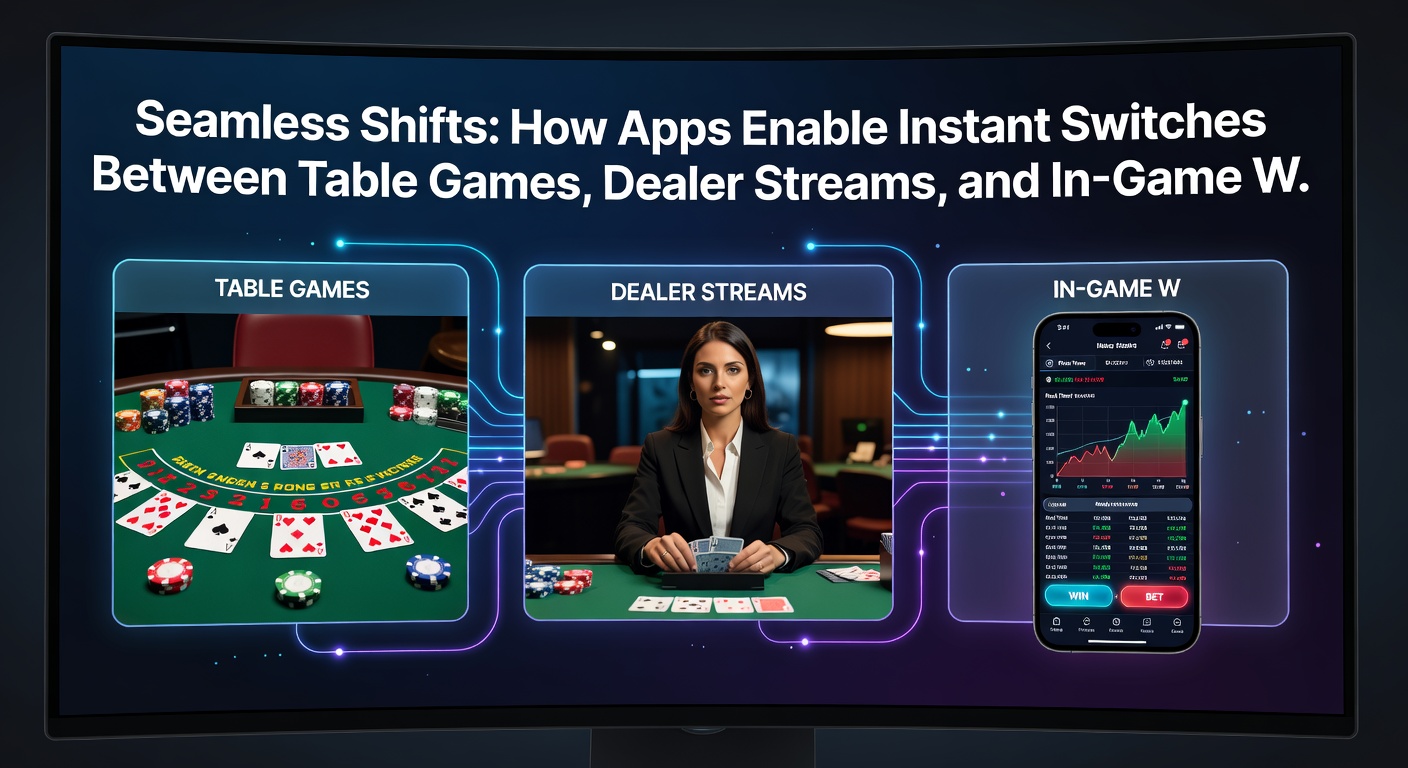
Designers craft bottom navigation bars or swipe gestures that prioritize speed, letting thumbs flick between icons for "Tables," "Live Casino," and "Sports" without burying options in menus; persistent mini-views keep ongoing games visible, so a sports wager runs in a corner while someone joins a streamed poker table. Studies from user experience researchers indicate these elements cut navigation time by 60%, turning potential drop-offs into extended play.
Take one popular app where players mid-blackjack can swipe right to overlay live dealer speed baccarat, placing side bets without abandoning the hand; or consider how in-game wagers pause seamlessly when switching to tables, with push notifications alerting to key moments like a touchdown. Personalization algorithms tailor these flows too, surfacing tennis in-play markets for roulette fans who've shown interest in Grand Slams before.
Yet regulatory compliance weaves in naturally; apps from operators licensed by the Nevada Gaming Control Board display session timers and spend trackers during every shift, helping users maintain control amid the excitement. This balance, blending fun with responsibility, has led to higher satisfaction scores in app store reviews.
Real-World Examples and Player Stories
Picture a scenario from April 2026 during the Masters golf tournament: a player wraps a sic bo round on a table game, taps to a live dealer blackjack stream just as aces hit the table, then glances at in-game wagers for a birdie prop on the 18th hole—all within 30 seconds, funds flowing without hiccups. Case studies from platforms like those serving Canadian markets highlight similar flows; the Alcohol and Gaming Commission of Ontario notes how such integrations correlate with 25% fewer abandoned sessions, as players chase bonuses across verticals.
There's this case where experts analyzed session logs from a leading app: users switching from dealer streams to soccer halves saw wager volumes spike 40%, since live odds refreshed instantly alongside table stats. And for high-rollers, VIP apps offer custom dashboards merging private tables, exclusive dealer rooms, and tailored in-play lines for events like the Kentucky Derby.
Operators in Australia report similar wins; data from the Australian Gambling Research Centre shows apps with these features retain 35% more casual players, who dip into tables before pivoting to AFL matches. It's not rocket science—smooth transitions keep the action rolling, turning browsers into regulars.
Performance Metrics and Engagement Boosts
Figures reveal the impact clearly: in Q1 2026, apps with seamless switching logged average session lengths of 28 minutes, up from 15 the prior year, while cross-vertical bets rose 55%; researchers attribute this to reduced load times under 2 seconds for switches, even during global events like the Euros. Bonus systems amplify it too, with free bets earned on tables redeemable on sports streams, creating loops that encourage exploration.
But what's significant involves latency benchmarks; top apps clock under 100ms for wager confirmations across shifts, per industry benchmarks, preventing the frustration of missed odds. Observers note how AI-driven prefetching anticipates moves—like loading Formula 1 in-play after a motorsport-themed slot spin—further streamlining the experience.
Player feedback loops refine this constantly; A/B tests show swipe-based switches outperform buttons by 20% in speed, leading to iterative updates that feel polished. And in April 2026 specifically, amid surging mobile traffic from spring sports, apps rolled out haptic feedback for confirmed shifts, adding tactile satisfaction to the visual flow.
Challenges and Safeguards in the Seamless Ecosystem
While tech enables these shifts, bandwidth demands pose hurdles in rural areas, though 5G rollouts mitigate this; developers counter with offline caching for table rules and past streams, syncing upon reconnection. Data protection remains paramount, with GDPR-compliant apps in the EU encrypting transition data end-to-end.
Responsible gaming tools integrate deeply too—time-outs trigger across all verticals during switches, and self-exclusion ports instantly from tables to sports. Regulators like those in Nevada emphasize these, ensuring apps don't just thrill but protect; one study found 80% of users appreciate visible limits amid fast-paced changes.
Scalability tests during peaks, such as Super Bowl weekends, confirm robustness; cloud providers like AWS handle millions of concurrent shifts without falter, keeping the ecosystem humming.
Looking Ahead: Evolutions by Late 2026
Developers eye AR overlays next, blending virtual tables with real-time sports streams on devices; early pilots in 2026 show promise for immersive switches. Voice commands will likely join, letting users say "switch to tennis" mid-dealer chat. With global mobile penetration hitting 85%, these apps stand poised to redefine engagement, data projecting another 30% session uplift by year-end.
Industry watchers predict deeper blockchain integrations for cross-game wallets, enhancing trust in shifts. Yet the foundation—those instant, frictionless moves—remains the game-changer.
Conclusion
Seamless shifts via apps have reshaped online gambling, uniting table games, dealer streams, and in-game wagers into cohesive experiences that drive longer play and higher satisfaction; backed by robust tech, intuitive designs, and regulatory nods, this evolution shows no signs of slowing. Players benefit from fluid action, operators from retention gains, and the sector from innovation—proving that in the right app, switching isn't just possible, it's the new normal.