Premier League Clubs Face New Rules as Government Consults on Unlicensed Gambling Sponsorship Ban
Parker Braun · Jul 14, 2026

Premier League Clubs Face New Rules as Government Consults on Unlicensed Gambling Sponsorship Ban
The UK government prepares to open a consultation this week on measures that would prevent unlicensed gambling operators from sponsoring British sports teams, with particular focus on Premier League football clubs, and this step comes after repeated criticism over previous delays in similar policy work while addressing recent sponsorship arrangements that drew regulatory attention.
Stake.com secured a three-year sleeve sponsorship agreement with Everton FC despite having surrendered its UK licence, and the deal moved forward even after warnings from oversight bodies, which has prompted renewed examination of how such partnerships reach domestic audiences through club channels.
Background on the Proposed Consultation
Officials have scheduled the consultation launch for the coming days in July 2026, and the process seeks input on blocking offshore and crypto-focused operators that lack proper UK authorisation from securing visible sponsorship positions with sports organisations, especially those in top-flight football, while the framework aims to limit promotion of unregulated platforms to fans across the country.
Earlier proposals encountered delays that drew public and industry commentary, yet the current timeline reflects efforts to advance the discussion and gather stakeholder views on enforcement mechanisms that could apply to both clubs and their executives, according to reports on the upcoming review.
The Everton and Stake.com Arrangement
Everton FC entered the three-year sleeve deal with Stake.com, an operator that had already relinquished its UK licence, and the agreement proceeded amid explicit cautions from regulators about compliance risks, which has now placed the partnership under closer inspection as part of broader policy considerations.
Stake.com operates as an offshore entity in this context, and its involvement highlights how unlicensed platforms can still gain exposure through sports sponsorships that reach UK supporters via matchday visibility and media coverage, prompting questions about audience reach and potential club liabilities.
Concerns Around Promotion and Liability
Policy discussions note that sponsorship arrangements with unlicensed operators may direct attention toward unregulated sites among British fans, and this exposure raises considerations for clubs and their leadership teams regarding accountability under existing rules, whereas the consultation intends to explore safeguards that would reduce such pathways.
Observers point out that sleeve sponsorships in particular offer prominent placement on player kits, which amplifies visibility during matches and broadcasts, and this aspect forms a central element in the upcoming review of how sponsorship rules should evolve to address offshore entities.
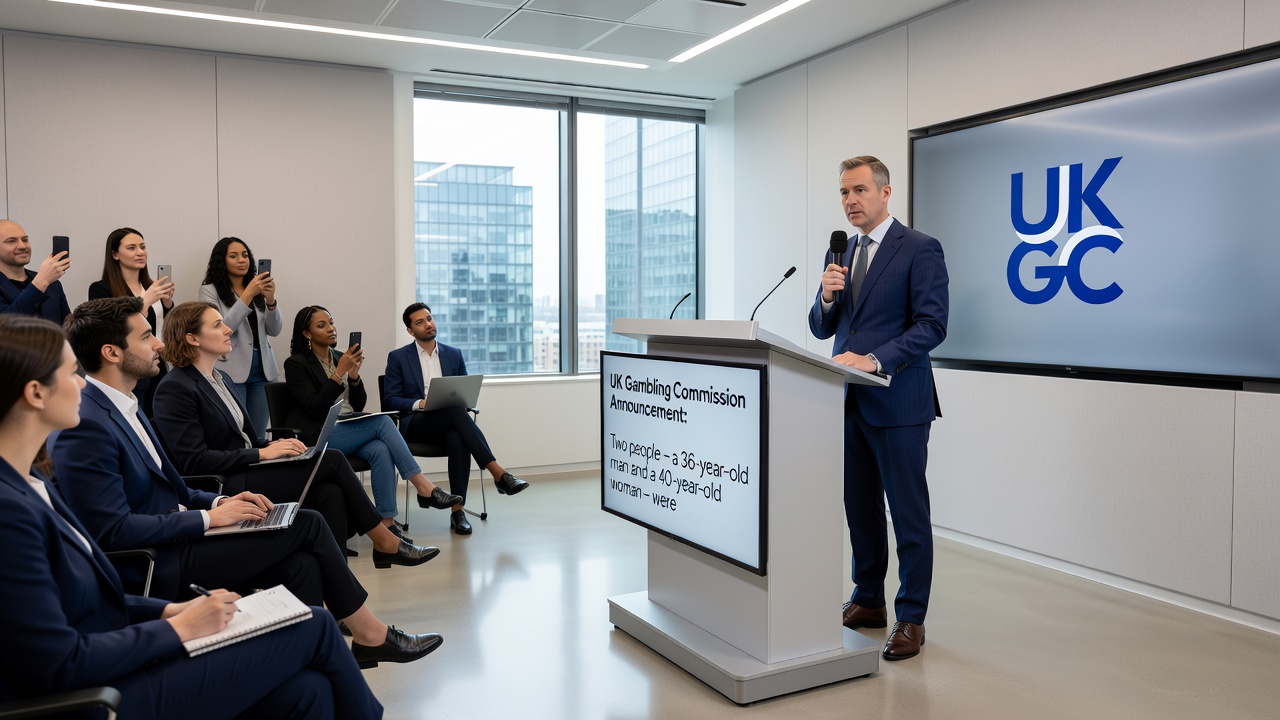
Data from industry monitoring groups indicate steady growth in gambling-related advertising within sports, and the consultation will examine specific restrictions that target operators without UK licences to align sponsorship practices more closely with regulatory standards already applied to domestic firms.
Next Steps in the Policy Process
Once the consultation opens, participants from clubs, operators, fan groups and legal experts will have opportunities to submit responses, and the government expects the feedback period to inform final proposals on enforcement and transition arrangements for existing deals, while timelines for implementation remain subject to the outcomes of this review.
Similar regulatory approaches appear in other jurisdictions, such as those outlined by the International Association of Gaming Regulators, which tracks cross-border sponsorship standards, and these comparisons may surface during discussions without dictating UK-specific outcomes.
Clubs currently holding arrangements with unlicensed partners face potential adjustments depending on consultation results, and the process allows for case-by-case considerations that balance commercial interests with compliance requirements.
Implications for Sports Sponsorship Landscape
The proposed changes target a narrow but visible segment of the sponsorship market, and Premier League clubs represent high-profile examples where kit placements generate substantial exposure, whereas the consultation seeks to establish clearer boundaries that prevent unlicensed operators from accessing these channels.
Research from academic sources including reports published by the University of Oxford gambling policy unit has examined how sponsorship visibility influences audience perceptions, and such findings may contribute context to submissions during the consultation window.
Executives at affected clubs will likely monitor developments closely, since any new rules could introduce direct responsibilities that extend beyond the organisations themselves, and this aspect receives explicit mention in the scope of the upcoming review.
Conclusion
The consultation scheduled for this week in July 2026 represents a focused effort to address sponsorship practices involving unlicensed gambling operators in British sports, particularly within Premier League football, and it builds on prior concerns raised by the Everton-Stake.com agreement along with earlier policy delays. Stakeholders now have the opportunity to shape the details through formal input, while teh resulting framework could redefine permissible partnerships and associated responsibilities for clubs and individuals alike.