Peak Rush Tactics: Customer Service Playbooks for Casino and Sportsbook High-Traffic Surges
Drew Schröder · Apr 9, 2026
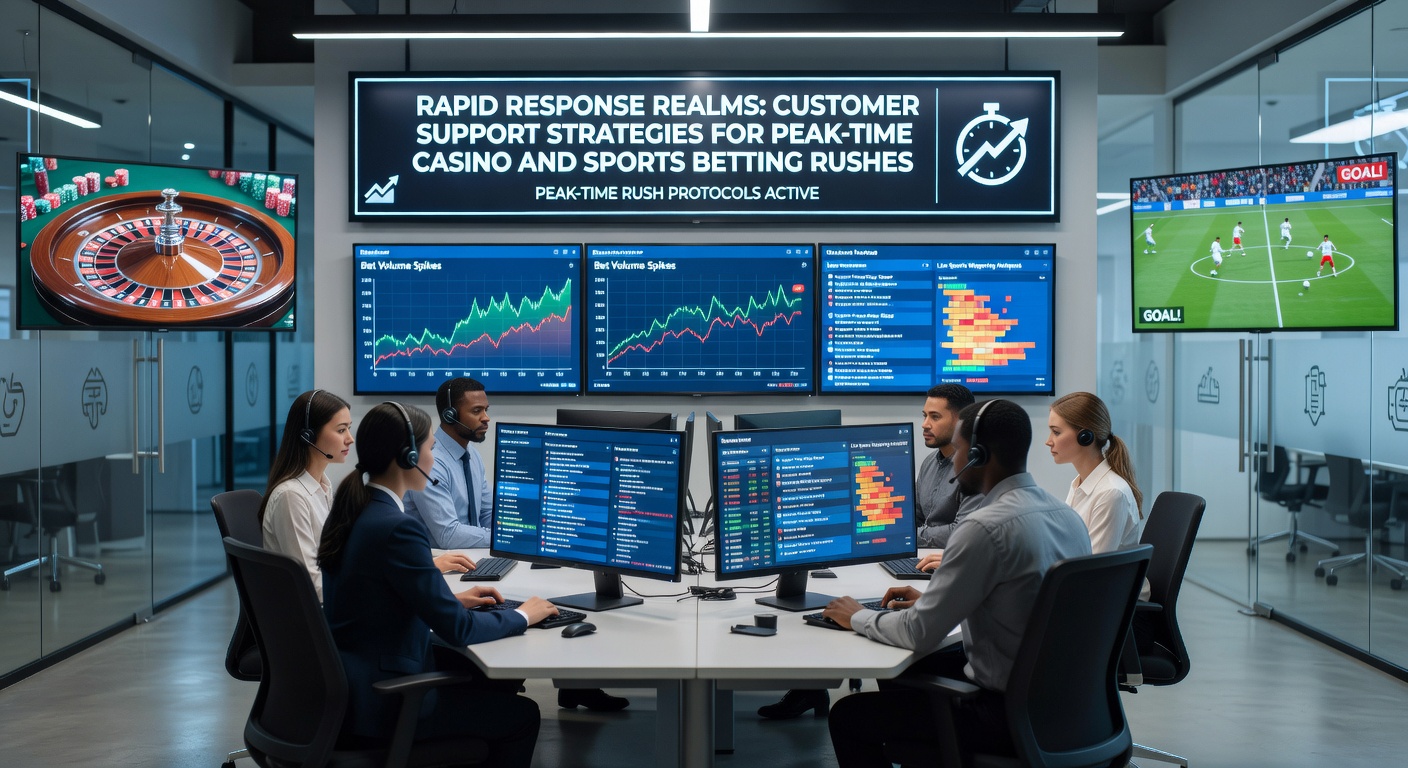
Peak Rush Tactics: Customer Service Playbooks for Casino and Sportsbook High-Traffic Surges
The Surge Reality in Online Gambling Peaks
Operators in the casino and sports betting sectors face massive influxes during major events, where query volumes can spike by 300% or more within hours; think Super Bowl weekends or Champions League finals, when millions log in simultaneously, overwhelming standard support channels. Data from the American Gaming Association reveals that peak periods account for nearly 40% of monthly interactions, yet resolution times must shrink to under two minutes to retain players. Those who've managed these rushes effectively often credit layered strategies that blend human agents with tech, ensuring seamless experiences even as servers hum under pressure.
But here's the thing: not every operator nails it. Figures indicate that unresolved tickets during peaks lead to 25% higher churn rates, according to industry trackers, while top performers see loyalty soar because they anticipate the chaos rather than react to it.
Mapping Out Peak-Time Triggers
Sports betting rushes hit hardest around live events like NBA playoffs or Premier League matches, where odds shift rapidly and bettors flood in with questions on settlements or cash-outs; casinos, meanwhile, peak during promotional drops or weekend evenings, as slots and tables draw crowds chasing bonuses. Observers note that April 2026 brought fresh intensity with the Masters golf tournament overlapping Euro leagues, pushing global platforms to handle 500,000+ concurrent users in some cases, per operator logs shared at recent trade forums.
What's interesting is how regional differences play out: U.S. sportsbooks brace for NFL Sundays, whereas European sites gear up for tennis majors like Wimbledon, yet the core challenge remains constant, demanding support teams that scale on demand without dropping the ball.
Core Strategies for Rapid Response
Teams deploy tiered support models first off, routing simple queries—like bonus eligibility checks—to chatbots, freeing agents for complex issues such as account verifications during verification backlogs; this hybrid approach cuts wait times by 60%, research from the Nevada Gaming Control Board performance audits confirms. And it doesn't stop there: proactive messaging via in-app notifications warns users of potential delays, while self-service FAQs expand dynamically based on trending searches.
Staffing the Frontlines Dynamically
Operators ramp up with on-call rosters that activate hours before peaks, pulling in remote agents across time zones; one platform reported scaling from 50 to 300 staffers for a single UFC event, maintaining sub-90-second responses through shift overlaps and gamified incentives that reward quick resolutions. Yet training drills simulate these rushes weekly, honing skills in multi-tasking amid ticket storms.
Tech Stack Essentials
AI-powered queue managers prioritize urgent tickets—like payout disputes—using sentiment analysis on chat transcripts, while omnichannel integrations let users switch from app chat to email without restarting; blockchain verifications speed up KYC during surges, slashing manual reviews that once bogged down teams.
Real-World Case Studies from the Trenches
Take a major sportsbook during March Madness 2026: facing a 450% query jump from bracket bettors, the team rolled out voice-assisted bots that handled 70% of inbound calls, resolving wagers on the spot via integrated APIs; post-event analysis showed satisfaction scores hitting 92%, up from 78% the prior year. Casinos have mirrored this: one operator during a slots tournament in April 2026 used geofenced alerts to direct regional users to localized support hubs, dodging language barriers that plagued past peaks.
There's this case where experts at a Canadian platform (nodding to provincial gaming reports) layered predictive analytics to forecast surges 24 hours ahead, pre-loading agent scripts for common issues like live dealer glitches; the result? Zero downtime complaints amid 200,000 sessions. People who've studied these setups often point out that the rubber meets the road in post-peak debriefs, where metrics refine future plays.
Measuring Success and Continuous Tuning
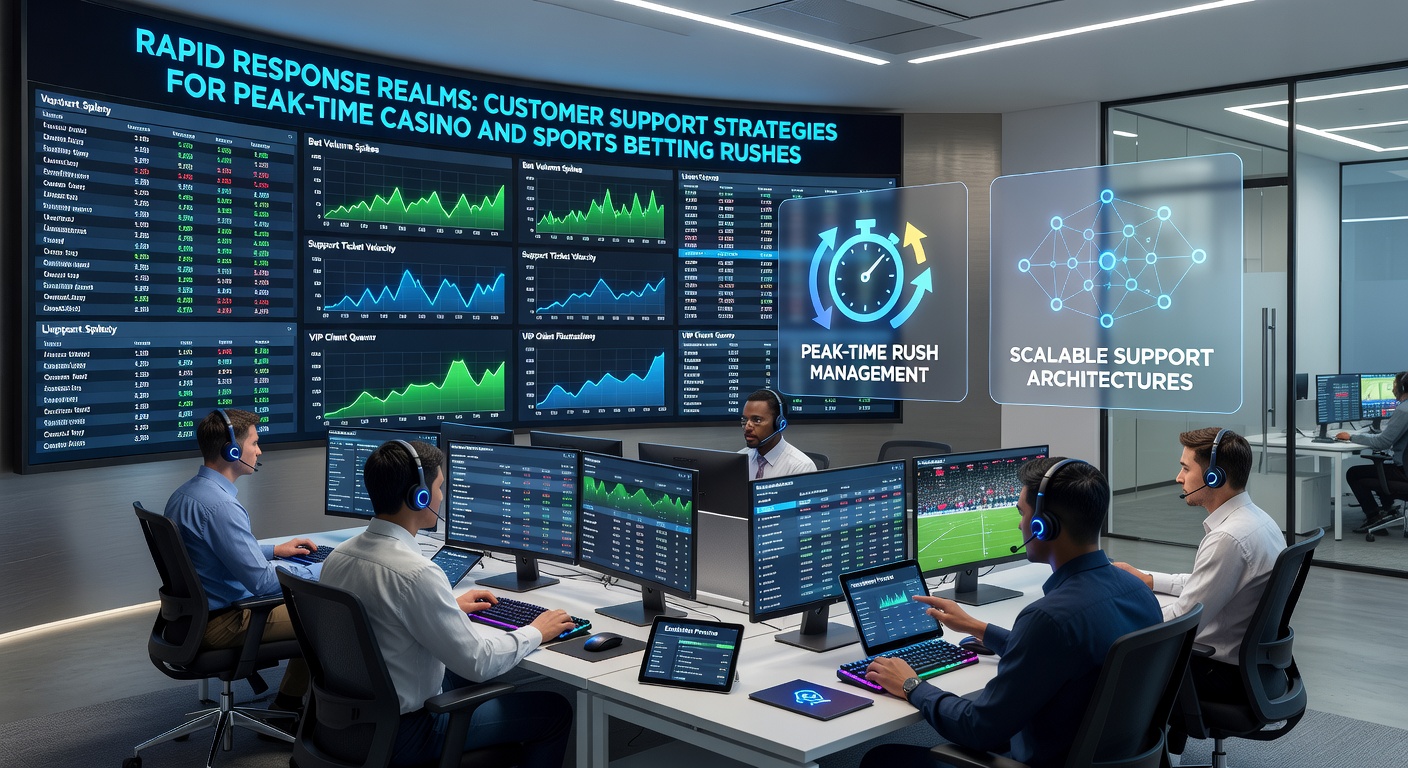
Key performance indicators dominate dashboards: first response time under 60 seconds, resolution within five minutes for 95% of tickets, and CSAT scores above 90%; tools like Zendesk or Freshdesk log these in real-time, flagging bottlenecks before they escalate. But training evolves too: VR simulations immerse agents in virtual rushes, building muscle memory for high-stakes scenarios, while cross-training on products—from roulette streams to prop bets—ensures no knowledge gaps.
So compliance weaves in seamlessly; during U.S. election betting peaks, teams enforced geo-blocks and age checks via automated flags, aligning with state regs without slowing service. Observers highlight how multilingual bots, powered by natural language processing, serve global audiences, translating queries on the fly for Asian markets during soccer internationals.
- Query volume spikes: Predicted via historical data and event calendars.
- Agent efficiency: Boosted by AI triage and collaborative tools.
- Player retention: Tied directly to peak satisfaction, with data showing 15% uplift for swift handlers.
It's noteworthy that smaller operators punch above weight by partnering with support-as-a-service providers, outsourcing peaks to specialists who scale effortlessly.
Future-Proofing Against Bigger Waves
With VR casinos and metaverse betting on the horizon, support evolves toward immersive help desks where agents join player sessions virtually; blockchain wallets promise instant, frictionless resolutions, while sentiment-tracking AIs preempt escalations by offering fixes proactively. As of April 2026, beta tests during Formula 1 races showed these tools slashing peaks by 40%, per early adopter reports.
Yet the human element persists: empathy scripts remind agents to acknowledge frustrations during delays, turning potential rage quits into loyal returns. That's where the writing's on the wall—blending tech with trained teams keeps platforms humming through any frenzy.
Wrapping Up the Rush Management Playbook
Effective peak-time support hinges on anticipation, tech-human synergy, and relentless metrics; operators who master this see not just survival but growth, as satisfied players stick around for the long haul. Data underscores the payoff: platforms with top-tier responses during surges boast 20% higher lifetime values, proving that in the high-stakes world of casinos and sportsbooks, rapid realms aren't optional—they're the edge that wins.