Payment Security Threads: Weaving Transaction Protocols Into Live Dealer Flows and Mobile Sports Wagers
Jordan Foster · Jul 17, 2026
Payment Security Threads: Weaving Transaction Protocols Into Live Dealer Flows and Mobile Sports Wagers
Payment security protocols now form the backbone of real-time gambling transactions, and operators embed encryption layers, tokenization systems, and authentication checks directly into live dealer video feeds as well as mobile sportsbook interfaces. Observers note that these measures operate continuously while players place wagers during ongoing table games or shift between in-play sports markets, which means data flows remain protected without interrupting session momentum. Research indicates that standard frameworks such as TLS 1.3 handshakes and PCI DSS compliance requirements handle the volume spikes that occur when multiple bets land simultaneously across dealer tables and live odds boards.
Protocol Integration in Live Dealer Environments
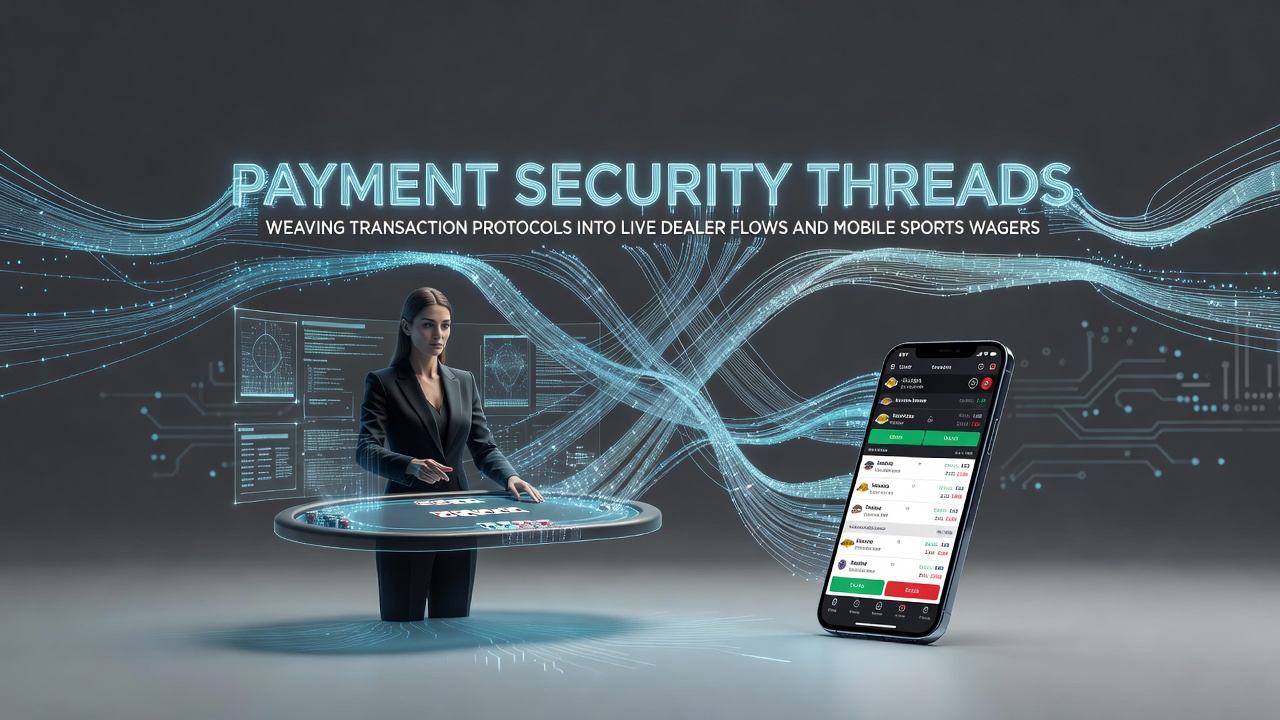
Live dealer platforms transmit card shuffles, chip movements, and payout instructions through continuous video streams, so transaction protocols must authenticate each action within milliseconds. Systems apply end-to-end encryption to player account details before they reach the dealer interface, while tokenization replaces sensitive card numbers with unique identifiers that the platform stores separately. Data shows that operators running multi-table studios often synchronize these steps with the same session keys used for video compression, which keeps both the visual feed and the financial exchange aligned without added latency. Experts have observed that when a player doubles down at a blackjack table the protocol layer confirms available funds, generates a temporary authorization token, and releases the bet amount before the next card appears on screen.
Multi-factor authentication steps also sit inside the flow, requiring a biometric prompt or one-time code only when the system flags unusual patterns, such as rapid successive bets from new locations. This selective approach prevents delays during routine play while still meeting regulatory thresholds for higher-risk movements. Studies found that studios adopting these selective triggers maintained average table resolution times under four seconds even during peak evening hours.
Mobile Sports Wager Security Layers
Mobile applications handling in-game sports wagers rely on similar threads yet adapt them to smaller screen interactions and variable network conditions. Push notifications that update live odds also carry encrypted payload headers, which means any accompanying bet placement travels through the same secure channel. Token-based wallets allow users to pre-authorize a spending limit at the start of a match, after which the app processes individual wagers against that reserve without re-entering full payment credentials each time. Figures reveal that apps using this model recorded fewer abandoned bets during the final minutes of high-stakes events, because the reduced friction kept users inside the session.
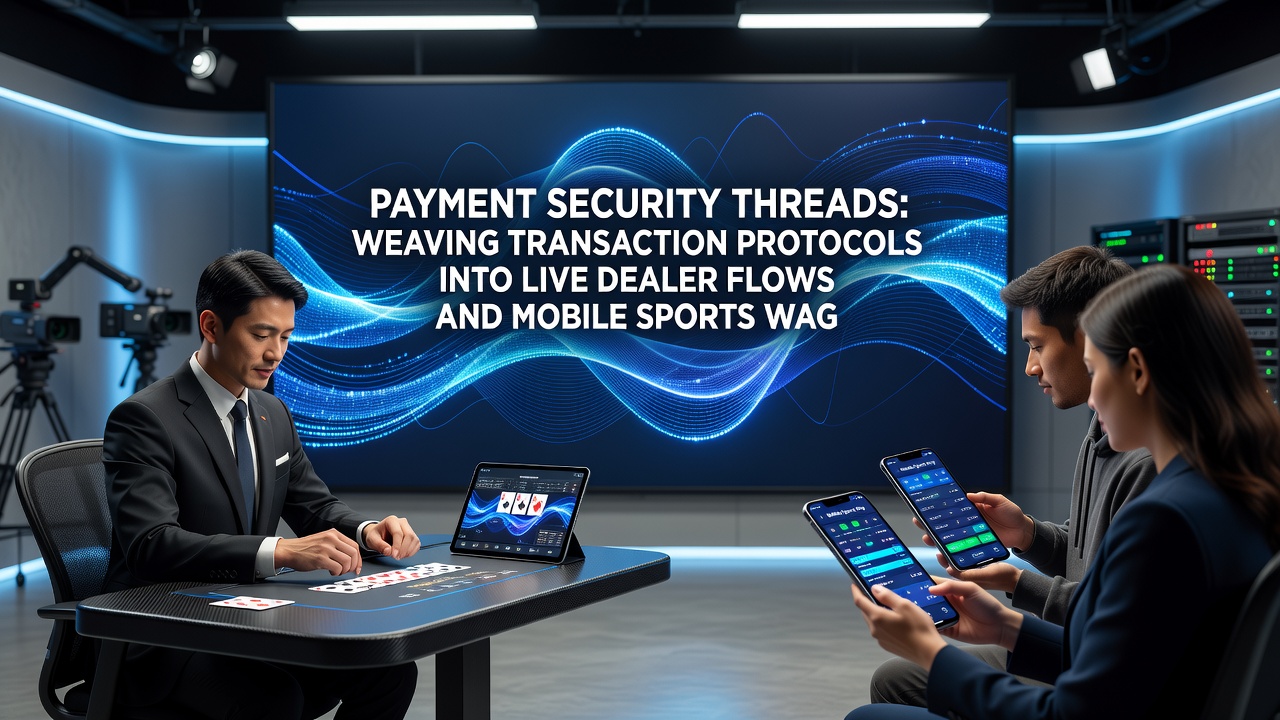
Geolocation checks combine with device fingerprinting to verify that the wager originates from an approved jurisdiction, and these checks run in the background while the user selects stake amounts. When network handoffs occur between cellular and Wi-Fi, the protocol stack renegotiates the secure session without resetting the active bet slip. Observers note that this continuity matters most during live tennis or basketball markets where odds shift every few seconds and players expect instantaneous confirmation.
Shared Infrastructure Across Both Formats
Many platforms now route both live dealer and mobile sports transactions through a single orchestration layer that applies consistent risk-scoring models. Machine-learning classifiers evaluate transaction velocity, historical player patterns, and device signals before releasing funds to the dealer table or the sportsbook ledger. According to the PCI Security Standards Council, organizations that unified these scoring engines across verticals reduced false declines by approximately 18 percent in controlled tests conducted through early 2026. The same layer also logs immutable audit trails that regulators in multiple jurisdictions can query without requiring separate data exports from each product.
Cross-format loyalty programs further illustrate the weaving process: bonus funds earned on slots sometimes convert directly into live dealer buy-ins or sports free bets, and the protocol stack tracks the conversion through hashed identifiers rather than raw account numbers. This approach satisfies audit requirements while preserving user privacy across the different game types. Researchers at several European institutions documented similar unified ledgers in a 2025 industry report, highlighting reduced reconciliation times between casino and sports divisions.
Emerging Standards and July 2026 Updates
As of July 2026 several regional authorities have begun piloting real-time settlement protocols that settle micro-transactions at the end of each dealer hand or after every sports market settlement. These pilots incorporate quantum-resistant encryption algorithms alongside existing TLS frameworks, preparing systems for future computational threats. Early results indicate settlement finality within two seconds for dealer payouts and under five seconds for in-play sports results, which aligns with player expectations formed by instant banking apps outside gambling. Operators testing these standards report that the added cryptographic overhead remains imperceptible on modern 5G connections yet provides measurable protection against replay attacks.
Device-to-cloud attestation checks also appear more frequently, confirming that the mobile operating system and the gambling app itself have not been tampered with before any wager processes. This step occurs silently during app launch and again before high-value transactions, adding another verification thread without requiring explicit user action.
Conclusion
Payment security threads now run continuously through live dealer video pipelines and mobile sports interfaces, binding encryption, tokenization, and risk scoring into single operational flows. Data from multiple sources demonstrates that unified protocol stacks support both instantaneous table decisions and rapid in-play adjustments while satisfying audit and compliance demands. Continued refinement of these integrated layers will determine how smoothly platforms scale when transaction volumes rise during major sporting events or extended live casino sessions.