On-the-Go Gambles: Mobile Bridges Linking Slots, Live Dealers, and Sportsbook Sprints
Xander Müller · Apr 24, 2026
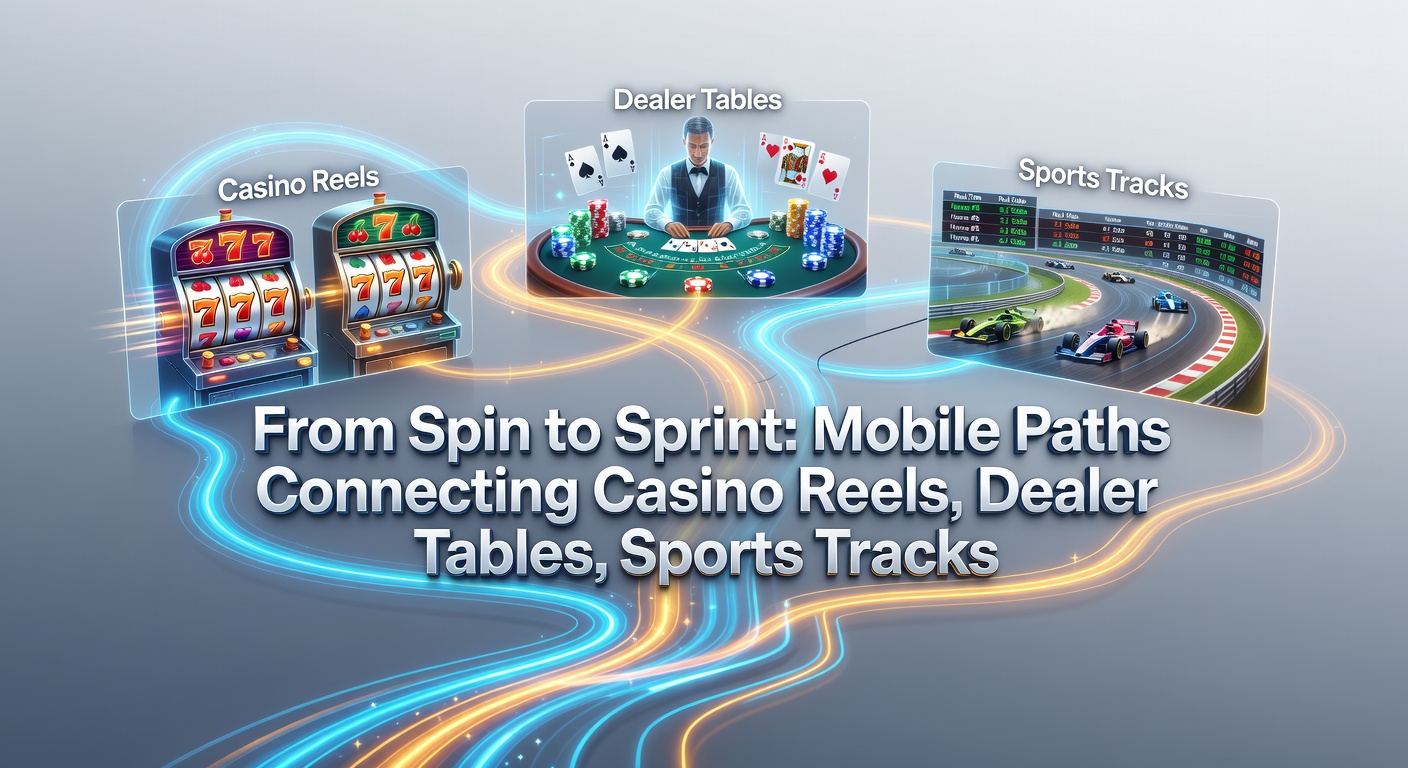
On-the-Go Gambles: Mobile Bridges Linking Slots, Live Dealers, and Sportsbook Sprints
The Rise of Unified Mobile Platforms
Mobile apps have transformed gambling landscapes by knitting together slots, live dealer games, and sports betting into single, fluid experiences; players tap from a vibrant slot reel to a real-time blackjack table or an in-play soccer wager without missing a beat, and data from the American Gaming Association reveals that mobile wagering now accounts for over 70% of total bets in regulated U.S. markets as of early 2026.
What's interesting is how these platforms evolved from siloed apps—slots in one, sports in another—into all-in-one hubs; developers leveraged HTML5 and progressive web apps to ensure cross-game continuity, so a user spinning on Starburst might seamlessly shift to betting on NBA playoffs mid-quarter, preserving session data like balances and preferences along the way.
And while early mobile efforts stuttered with laggy transitions, modern APIs now sync everything in milliseconds; take one operator's app where geolocation tech locks in live dealer streams based on user locale, blending that with personalized sports odds pulled from global feeds.
Tech Stacks Powering Slot-to-Sports Flows
At the core lie robust backend systems using WebSockets for real-time updates across slots' RNG-driven spins, live dealers' streamed video feeds, and sportsbooks' dynamic odds adjustments; this setup allows apps to prefetch content—like loading a roulette wheel while a user watches a tennis rally—minimizing downtime that once frustrated players.
Observers note that cloud computing from providers like AWS or Google Cloud handles the heavy lifting, scaling to millions of concurrent users without crashes; for instance, during peak events like the Super Bowl, apps maintain sub-100ms latency for switching from a slot bonus round to live prop bets on the game's outcome.
But here's the thing: machine learning algorithms personalize these paths, analyzing past behavior to suggest moves—like nudging a slots enthusiast toward a live poker table with similar volatility or a correlated sports parlay—boosting engagement rates by up to 25%, according to figures from a European Gaming and Betting Association report on app retention.

Live Dealer Streams Meet Mobile Agility
Live casino elements thrive on mobile through optimized video compression and edge computing, which push dealer tables—like baccarat or infinite blackjack—directly to handhelds with 4K clarity on 5G networks; players join mid-hand from a slots lobby, chat features intact, and multi-table views let them monitor several games while eyeing sports tickers.
Turns out, latency-sensitive tech like low-latency streaming protocols (think LL-HLS) keeps interactions natural, so a dealer shuffling cards feels immediate even on spotty Wi-Fi; one case study from Australian operators shows that mobile live sessions now rival desktop immersion, with dwell times extending 40% when linked to adjacent slots or bets.
Yet challenges persist—battery drain from constant streaming prompts apps to use adaptive quality, dimming feeds during sports watches to conserve power; researchers who've dissected app telemetry find that smart notifications bridge gaps, alerting users to hot streaks in any vertical upon return.
Sportsbook Integration: From Reels to Race Tracks
Sports betting apps excel in live action, pulling odds from feeds like those from Sportradar or Genius Sports, and mobile bridges make it effortless to hop from a slot free-spin frenzy to wagering on Formula 1 sprints or NFL touchdowns; in-play betting thrives here, with cash-out options syncing across wallets shared with casino balances.
People often discover that push notifications tie it all together—say, a slot win triggers tailored sports props based on favored teams—driving cross-sell metrics skyward; data indicates U.S. states like New Jersey saw hybrid app usage surge 35% in Q1 2026, per state gaming reports, as users blend pre-game parlays with dealer showdowns.
Now, with AR overlays emerging, apps project virtual sports stats onto live dealer tables or slot backgrounds, enhancing immersion; it's not rocket science, but the rubber meets the road in tournaments where players compete across formats, stacking leaderboard points from spins, hands, and goals alike.
User Journeys and Frictionless Features
Seamless navigation defines these apps through unified wallets, where deposits fund slots, tables, or sports without re-verification; biometric logins (face ID, fingerprints) speed re-entries, and one-tap switches preserve progress—pause a blackjack hand to grab game odds, resume flawlessly.
Experts have observed loyalty programs amplifying this, awarding tiered points redeemable universally; take a player chasing a progressive jackpot on slots who pivots to tennis futures during rain delays, carrying momentum via shared VIP perks like boosted odds or exclusive dealer access.
Customization shines too—dark modes for late-night sports binges, haptic feedback mimicking slot pulls during bets, and voice commands for hands-free shifts while watching races; studies reveal such features cut churn by 20%, as users stick where paths feel intuitive and rewarding.
Regulatory Harmonies Across Borders
Regulators worldwide shape these mobile ecosystems, with bodies like New Jersey's Division of Gaming Enforcement mandating geo-fencing for cross-state play and secure data flows between verticals; in Canada, provincial agencies such as Ontario's iGaming oversee app interoperability, ensuring fair RNGs sync with transparent sports lines.
Australia's ACMA enforces responsible gambling tools embedded in bridges—like session timers spanning slots to sports—while EU directives via Malta's MGA demand PSD2-compliant payments unifying transactions; April 2026 updates in these frameworks introduced AI audits for personalized paths, verifying they don't exploit vulnerabilities.
That's where compliance meets innovation; apps now log every transition for audits, balancing player freedom with safeguards like mandatory cool-offs mid-switch if patterns flag risks.
Looking Ahead: 2026 Horizons and Beyond
By mid-2026, 6G pilots promise zero-latency shifts, folding VR slots into holographic dealer rooms and metaverse sportsbooks; blockchain wallets could further unify, enabling crypto flows from spins to instant horse race settlements without borders.
Research indicates adoption will accelerate in emerging markets like Latin America, where apps blend local lotteries with global sports; the writing's on the wall—hybrid mobile paths aren't just convenient, they're the new standard, reshaping how billions engage with gambling's triple crown of slots, tables, and tracks.
Wrapping the Mobile Thread
These mobile bridges—from slot reels whirring to dealer cards flipping and sports odds ticking—craft ecosystems where choice reigns supreme; data underscores their dominance, with global mobile gross gaming revenue projected to hit $150 billion by 2027, fueled by tech that connects rather than compartmentalizes.
Players navigate effortlessly, operators thrive on retention, and regulators adapt in tandem; in the end, the sprint from spin to wager defines modern play, a testament to apps that deliver the full spectrum, anytime, anywhere.