Interface Architectures Synchronizing Reels, Hosts, and Markets via Unified Rewards
Parker Braun · Nov 18, 2026
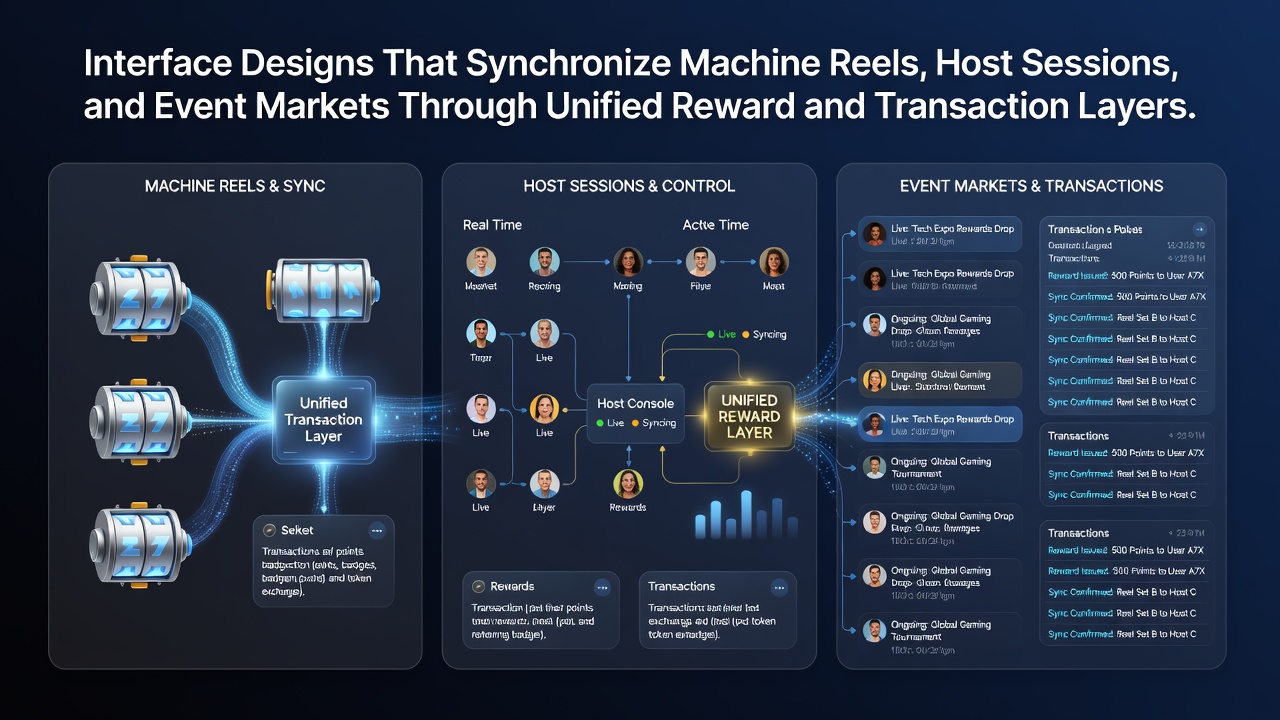
Interface Architectures Synchronizing Reels, Hosts, and Markets via Unified Rewards
Design teams in gaming technology develop interface architectures that align slot machine reels with live host sessions and event markets through shared reward mechanisms plus transaction layers, and these systems operate by routing user actions across modules without separate logins or balance resets. Data from platform implementations shows that such synchronization reduces session interruptions while maintaining continuous tracking of rewards earned during reel spins, dealer interactions, and market wagers.
Core Components of Unified Layers
Reel synchronization modules connect directly to host session feeds through application programming interfaces that update visual states and reward counters in real time, whereas event market interfaces pull live odds and outcomes into the same reward pool so that transactions remain consolidated. Observers note that backend servers process these connections using event-driven architectures where each action, whether a reel stop or a market settlement, triggers updates across all linked components simultaneously.
Transaction layers handle deposits, withdrawals, and reward redemptions in a single ledger that records entries from reels, hosts, and markets alike, and this approach eliminates the need for users to switch between separate wallets or verification steps. Studies on platform performance indicate that consolidated ledgers cut processing times by integrating payment gateways with reward engines that apply bonuses or multipliers automatically based on activity across all three areas.
Technical Synchronization Mechanisms
Engineers implement state machines that monitor reel outcomes, host session progress, and market events concurrently, sending updates through websockets to keep client interfaces current without reloads. Rewards accumulate in unified profiles where points from reel combinations add to totals earned during live host interactions or market predictions, while transaction records stay timestamped and auditable through centralized databases.
Security protocols apply encryption across these layers so that data moving between reels, hosts, and markets remains protected during transfers, and compliance checks occur at the transaction layer level to verify each reward distribution. Research from technical reports highlights that multi-threaded processing allows these interfaces to scale during peak periods when activity spikes across reels, sessions, and markets at once.

Implementation Patterns Across Platforms
Platform operators deploy modular designs where reel engines feed results into a central reward aggregator that also receives inputs from host session trackers and market data streams, creating a single view for users who move between activities. According to industry analyses from the Gaming Laboratories International, these patterns improve data consistency because every transaction updates the shared layer before confirming the next user action.
Developers incorporate fallback mechanisms that isolate issues in one module, such as a delayed market feed, without halting reel play or host sessions, and reward calculations continue uninterrupted through cached transaction data. Figures from system monitoring reveal that such resilience maintains uptime rates above 99 percent in environments handling combined traffic from all three sources.
Data Flow and Reward Integration
Information travels from reel sensors or random number generators to the unified layer where algorithms calculate base rewards before adding multipliers derived from host session milestones or market results, and transactions finalize only after all contributing data points register. This sequencing ensures that rewards reflect activity across reels, hosts, and markets rather than isolated events.
Reporting tools pull aggregated statistics from the transaction layer to generate summaries of user engagement patterns, showing how time spent on reels correlates with host session participation and market wagers. In November 2026, several operators plan to expand these reporting features to include predictive analytics based on historical synchronization data.
Conclusion
Interface designs that link machine reels, host sessions, and event markets through unified reward and transaction layers establish connected environments where user actions flow across components with shared data handling. Platform records demonstrate that these architectures support continuous reward tracking and consolidated transactions while accommodating activity from multiple sources at scale.