Integrating Reward Triggers with Payment Timelines in Mobile Gambling Applications
Zoe Franke · Jun 23, 2026
Integrating Reward Triggers with Payment Timelines in Mobile Gambling Applications
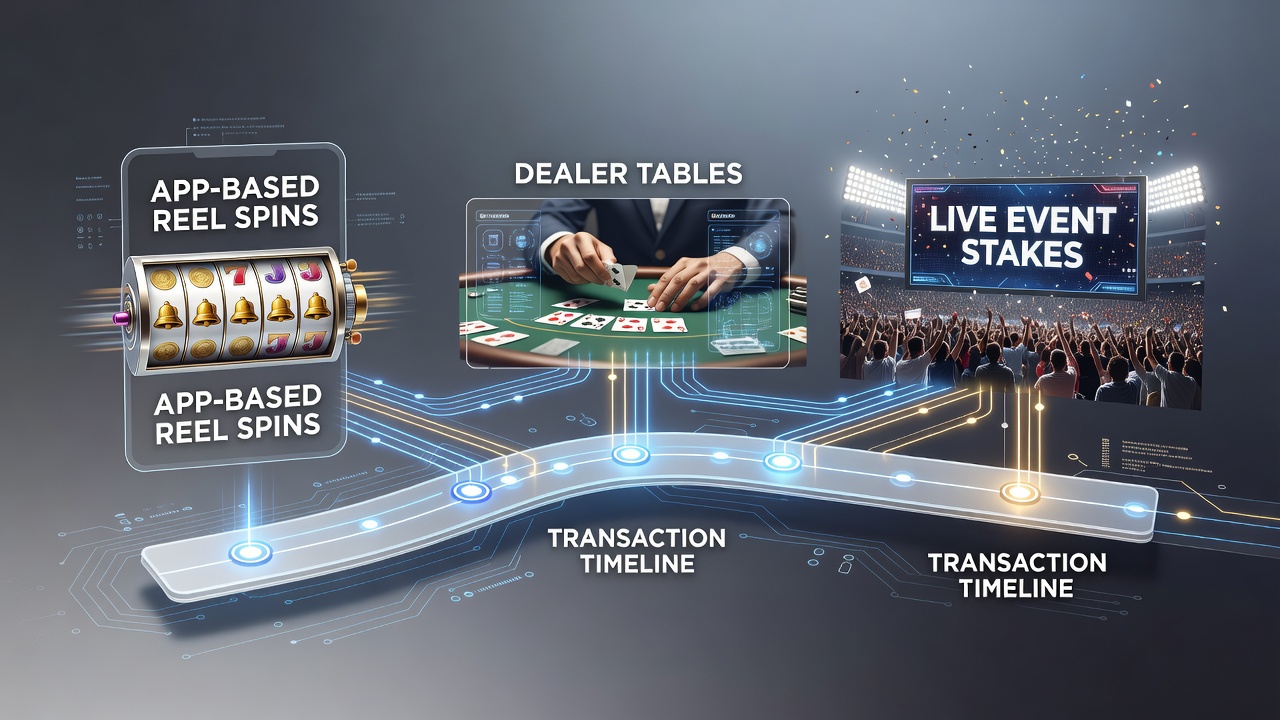
Systems that align reward triggers with transaction timelines operate across app-based reel spins, dealer tables, and live event stakes by linking payment confirmations directly to bonus activation points in real time. Developers coordinate these elements through backend protocols that monitor deposit clearances, then release incentives such as free spins or stake multipliers at precise intervals after funds settle. Data from industry reports shows these mechanisms reduce latency between a completed transaction and reward delivery, which maintains engagement levels during sessions that span multiple game types.
Mechanics in App-Based Reel Spins
Reel spin applications process transactions through secure gateways that verify payments within seconds, after which reward engines activate predefined triggers tied to those same timelines. When a deposit clears, the system timestamps the event and matches it against player activity logs to issue credits without manual intervention. Observers note that this synchronization prevents delays that once interrupted flow between spins, allowing seamless continuation while balance updates occur in the background. Research indicates that platforms employing these timed triggers report higher session retention rates compared to those using delayed processing methods.
Application Across Dealer Tables
Live dealer environments extend the same synchronization principles to table games where transaction timelines intersect with ongoing rounds. Payment confirmations feed into reward modules that unlock table-specific bonuses, such as insurance matches or side bet credits, once funds post to the account. Experts have observed that these integrations rely on API connections between banking processors and game servers to maintain accuracy during high-volume periods. The process accommodates both instant deposits and scheduled withdrawals by anchoring reward eligibility to verified transaction records rather than fixed clock times.
Coordination with Live Event Stakes
Live event staking platforms incorporate transaction timelines into dynamic reward systems that adjust based on event progress and payment status. When users place wagers funded by recent deposits, the application cross-references the transaction timestamp against event milestones to trigger proportional incentives like boosted odds or cashback allocations. Figures from the American Gaming Association reveal steady growth in such integrated features across North American markets through 2025, with further expansions noted into mid-2026. This approach ensures rewards activate only after financial movements complete, which aligns user expectations with operational realities.
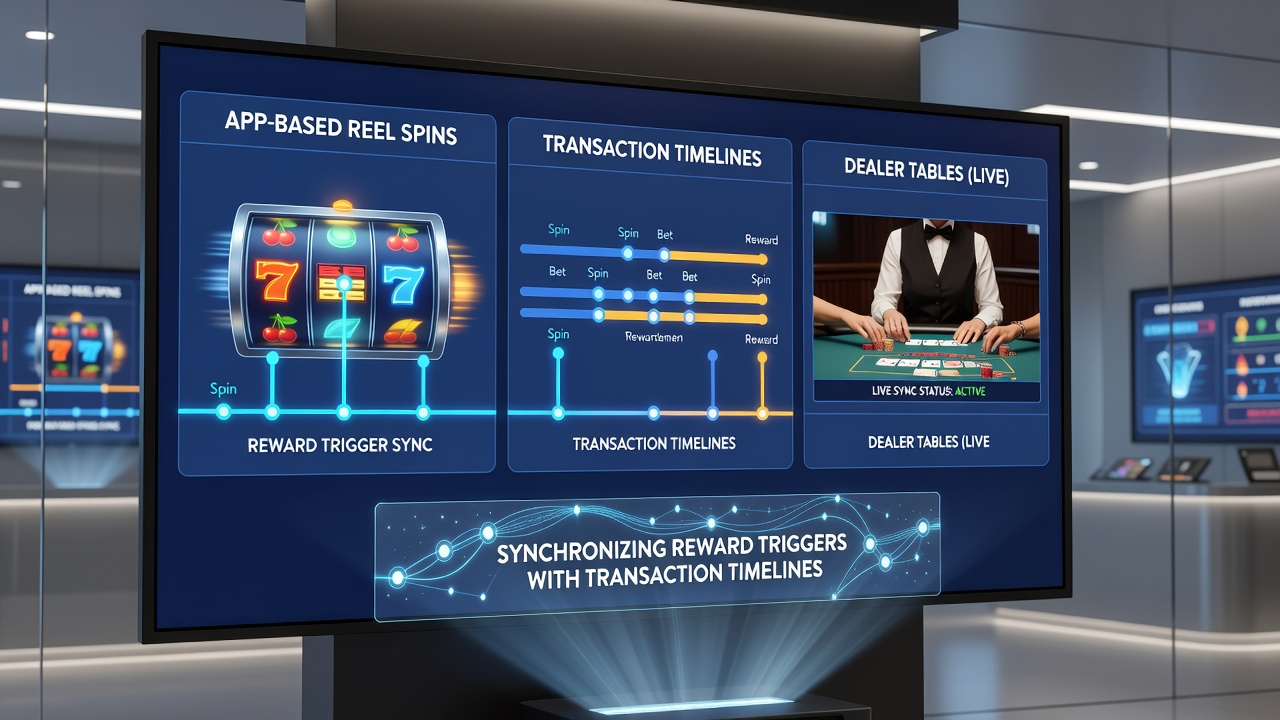
Technical frameworks supporting these synchronizations often combine event-driven architectures with timestamped ledgers that log every transaction and reward event. Developers test these setups against varying network conditions to confirm that reward triggers remain consistent whether users engage via reel spins, dealer streams, or event interfaces. What's interesting is how such systems adapt to regional payment regulations without altering core timeline logic, allowing global operators to maintain uniformity in reward delivery across different jurisdictions.
Implementation Patterns and Data Trends
Patterns emerge when examining how operators deploy these synchronized systems across combined casino and betting environments. Many adopt modular designs that separate payment verification from reward logic, which permits independent scaling during peak traffic periods. According to findings published by the European Gaming Research Centre, synchronized reward models correlate with improved transaction success rates in multi-game sessions. June 2026 saw several platforms release updated versions of these tools that incorporate predictive timing adjustments based on historical user data, further tightening the connection between deposits and incentive releases.
Case examples include applications that batch minor transactions for collective processing before releasing grouped rewards, while larger stakes trigger immediate individual activations. Those who've studied these implementations note the emphasis on audit trails that document each timeline match for compliance purposes. Such records prove essential when reviewing disputes or analyzing engagement metrics over extended periods.
Conclusion
Alignment of reward triggers with transaction timelines continues to shape how mobile platforms manage reel spins, dealer tables, and live event stakes. These integrations rely on precise timing protocols supported by data from regulatory and research bodies across regions, which helps operators deliver consistent experiences. Ongoing refinements in 2026 reflect broader industry shifts toward automated, timeline-driven reward structures that prioritize verified financial events as the foundation for all incentive activities.