Biometric Authentication Streamlining Promotional Redemptions for Mobile Slots and Live Sports Exchanges
Jordan Foster · Jun 2, 2026
Biometric Authentication Streamlining Promotional Redemptions for Mobile Slots and Live Sports Exchanges
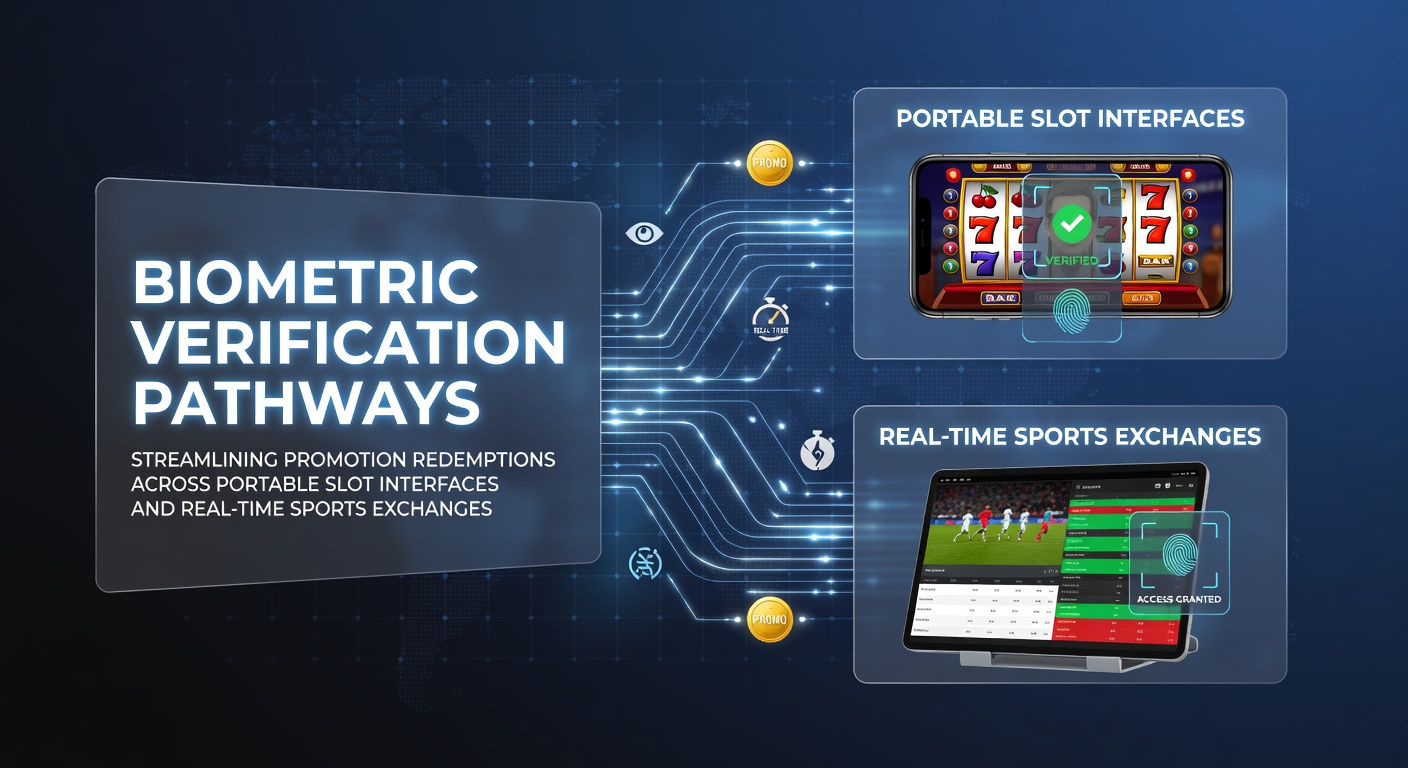
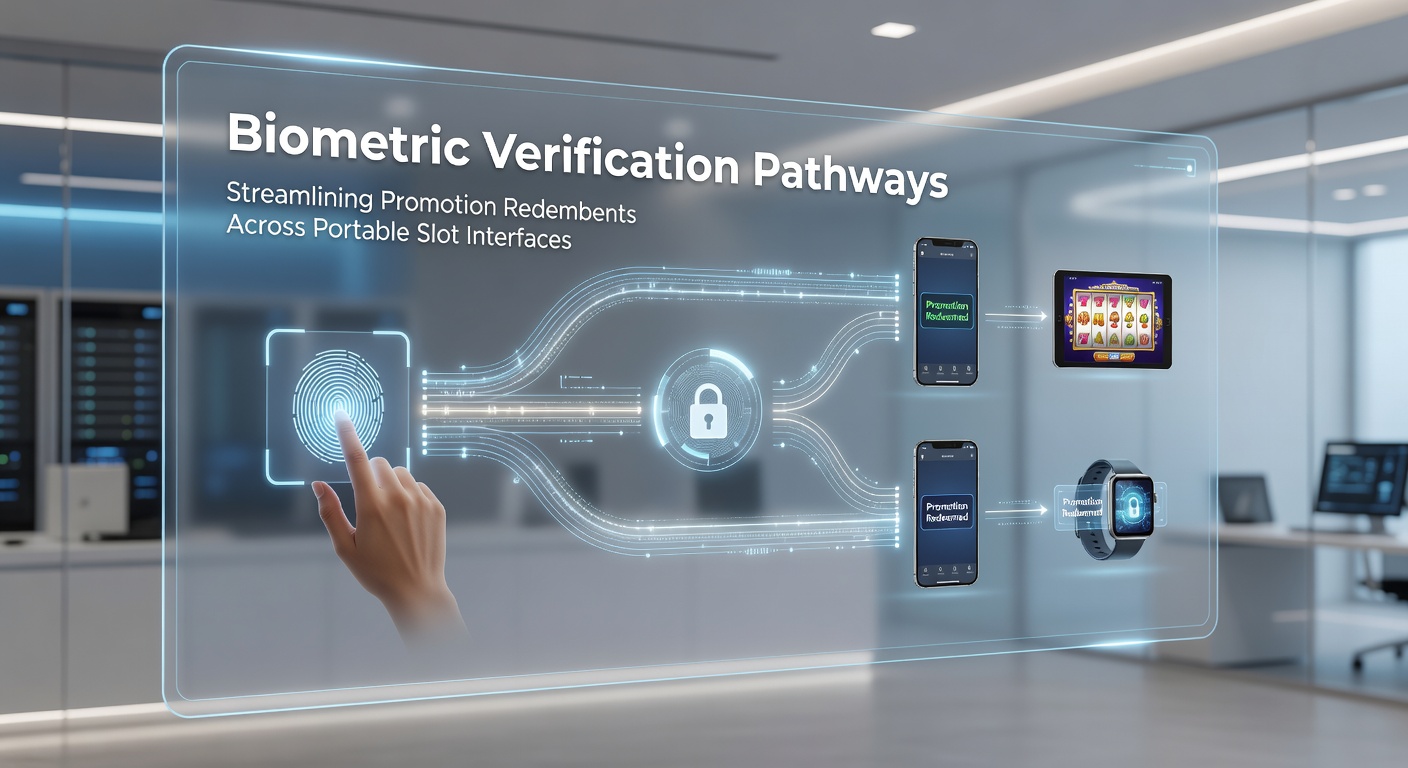
Biometric verification pathways integrate fingerprint scanning, facial recognition, and voice analysis into mobile applications that host slot games and sports betting exchanges, allowing users to confirm identity during promotion redemptions without entering lengthy codes or passwords, while systems cross-reference stored biometric data with account profiles to complete transactions in seconds rather than minutes.
Portable slot interfaces employ these pathways to process bonus activations and loyalty rewards directly within gameplay sessions, and operators connect the same verification layers to real-time sports exchanges so that promotional credits for live events flow through identical authentication nodes, creating unified data streams that reduce duplicate checks across both product types.
Technical Integration in Mobile Environments
Device sensors capture biometric markers at the point of promotion selection, then encrypted templates travel through secure channels to central servers that match them against enrollment records before releasing funds or free spins, and this process operates continuously because the same mobile operating systems support both slot reels and odds updates without requiring separate logins for each category.
Research from the University of Queensland indicates that biometric match times average under two seconds on modern smartphones when network latency stays below 50 milliseconds, which supports seamless redemptions during fast-paced sports market movements where odds shift rapidly and promotional windows close within minutes.
Application to Slot Promotion Flows
Slot platforms trigger biometric prompts once a player selects a deposit-match offer or free-spin bundle, after which the system validates eligibility and applies the benefit to the active balance while the user remains in the game interface, and observers note that this eliminates the need to navigate to separate account sections or input alphanumeric codes that often lead to abandoned redemptions.
Data pathways link reel algorithms directly to biometric servers so that win multipliers tied to promotions activate automatically upon successful match, reducing friction that previously interrupted play sequences and lowered overall engagement rates in mobile sessions.
Extension to Real-Time Sports Exchanges
Sports betting exchanges apply the same verification layers when users claim cashback offers or enhanced odds promotions during live events, allowing instant credit application to open positions while markets continue trading, and this integration ensures that identity confirmation does not pause betting activity because the biometric check runs in parallel with order matching engines.
Industry reports from the European Gaming and Betting Association document that operators deploying unified biometric systems across slots and sports products recorded a 27 percent increase in completed promotion redemptions during the first half of 2026, with notable gains observed in June when several platforms rolled out updated mobile APIs supporting multi-factor biometric confirmation for high-value sports incentives.
Security and Compliance Frameworks
Biometric templates remain stored in isolated vaults separate from gameplay databases, and regulatory frameworks in multiple jurisdictions require periodic template refreshes plus liveness detection to prevent replay attacks, while operators maintain audit logs that record each verification event without retaining raw biometric images after the match completes.
These measures align with standards set by bodies such as the Nevada Gaming Control Board, which evaluates biometric pathway implementations for both slot and sports products under the same technical review process, ensuring consistent protection levels regardless of the vertical involved.
Operational Outcomes Across Platforms
Operators report that unified biometric pathways cut support tickets related to failed promotion claims by approximately 40 percent because users encounter fewer authentication errors, and the reduction in manual interventions frees staff to handle more complex account queries while the automated systems manage routine redemptions.
Case examples from Canadian platforms show that combining slot and sports verification streams into one biometric pipeline decreased average session drop-off rates during promotional periods, because players no longer switched between separate verification flows when moving from reel spins to live event wagers.
Future Developments Expected by Late 2026
Developers continue refining cross-device biometric continuity so that a verification completed on a smartphone carries forward to tablet sessions without re-enrollment, and tests conducted in June 2026 demonstrated that such continuity further shortened redemption times on sports exchanges where users often switch devices mid-event.
Academic studies continue to examine error rates across demographic groups to ensure equitable performance of facial and fingerprint systems in varied lighting and device conditions common to mobile gambling environments.
Conclusion
Biometric verification pathways now form the central mechanism connecting promotion redemptions across portable slot interfaces and real-time sports exchanges, delivering consistent identity confirmation that supports faster transactions while meeting security requirements established by international regulatory and research bodies.