Adaptive Response Webs: Payment Velocities and Support Protocols Driving Mobile Platform Transitions
Xander Müller · Jun 12, 2026
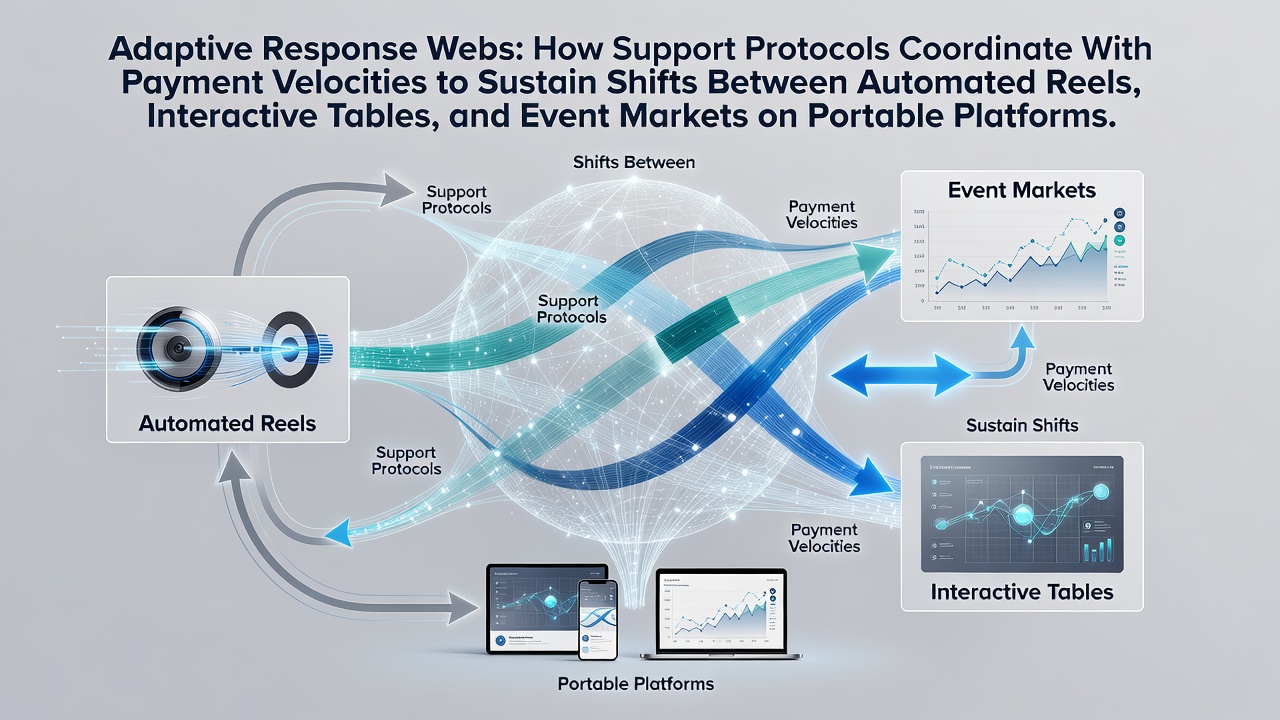
Adaptive Response Webs: Payment Velocities and Support Protocols Driving Mobile Platform Transitions
Adaptive response webs function as interconnected backend frameworks that link customer support protocols directly to payment processing speeds, enabling users to move between automated reels, interactive tables, and event markets without disruption on portable platforms. These systems monitor transaction flows in real time, adjusting response times based on activity volume and user location data. Operators deploy such webs to maintain continuity across game types, where a shift from slot reels to live dealer tables requires instantaneous payment verification to avoid session interruptions.
Core Mechanics of Coordination
Support protocols within these webs categorize inquiries by urgency, routing payment-related issues through automated channels that sync with velocity thresholds set by banking partners. When a user initiates a switch from automated reels to interactive tables, the system verifies account balances and processes micro-transactions in under three seconds on average, according to industry benchmarks. Event markets add another layer, as live odds updates demand even faster reconciliation to align with sports timelines. Data from multiple operators shows that integrated protocols reduce failed transitions by aligning support escalation paths with payment confirmation loops.
Portable platforms amplify the need for this coordination because device variability introduces latency factors that fixed terminals do not. Adaptive webs compensate by prioritizing bandwidth allocation during peak activity periods, such as evening hours when sports events overlap with table game surges. Observers note that protocols often incorporate predictive algorithms to pre-load payment tokens, allowing instant access to new game categories once the user selects them.
Payment Velocity Integration
Payment velocities refer to the rate at which funds move through verification stages, and adaptive webs calibrate these rates against support ticket volumes. In practice, a sudden influx of queries about deposit delays triggers automatic adjustments that accelerate processing queues for affected accounts. This coordination sustains shifts by preventing bottlenecks when users move from slots to sports markets, where time-sensitive bets require confirmed balances. Research from the University of Las Vegas gaming laboratory indicates that platforms using synchronized velocity controls achieve higher session continuity rates across mobile formats.
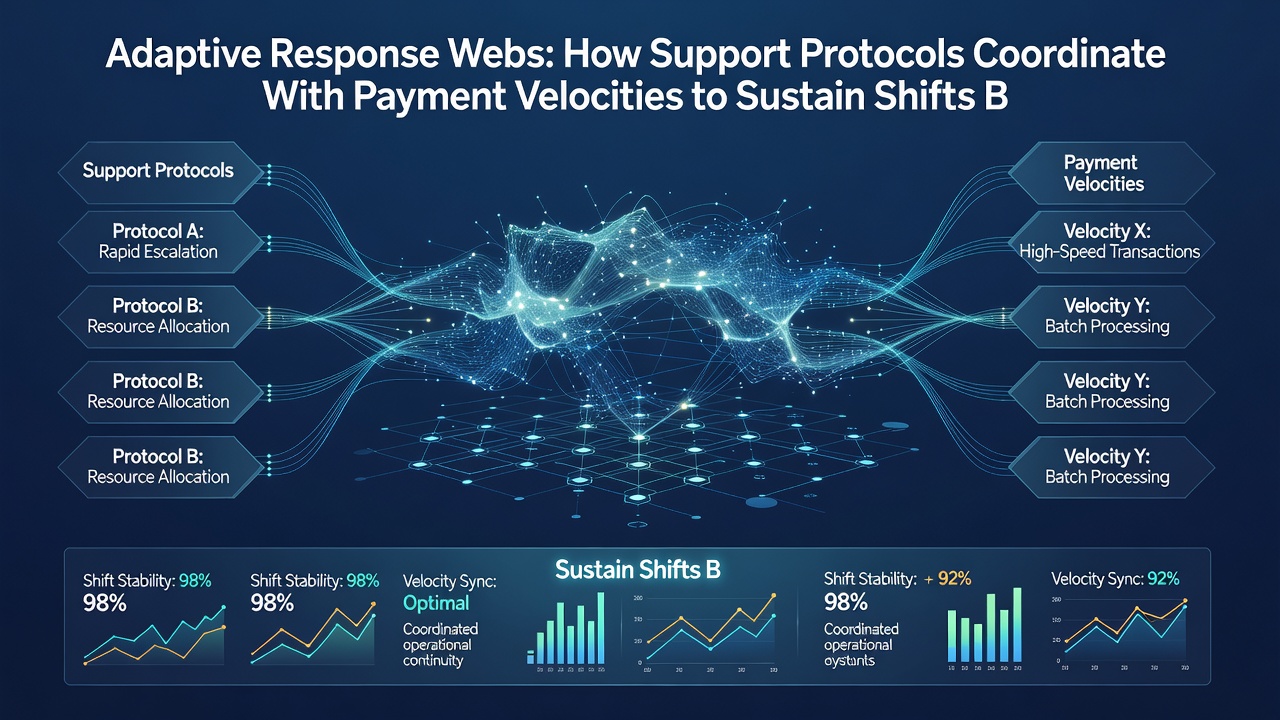
June 2026 marked a notable uptick in cross-format usage on portable devices, with operators reporting increased demand for real-time switches during major sporting calendars. Adaptive webs handled these patterns by distributing support resources geographically, ensuring that payment velocities remained stable even when regional networks experienced congestion. The approach relies on modular architecture, where each protocol layer communicates status updates to payment gateways without requiring full session resets.
Real-World Application Patterns
One documented case involved a North American operator that embedded adaptive response elements into its mobile suite, resulting in measurable improvements during high-traffic windows. Support teams received prioritized alerts tied to payment status flags, allowing them to intervene only when automated systems detected anomalies exceeding predefined velocity limits. This setup proved effective for transitions involving event markets, where odds fluctuations coincide with deposit or withdrawal requests. A separate report from the Canadian Centre for Gaming Research highlighted similar patterns, noting that protocol coordination minimized downtime across reels, tables, and betting interfaces on handheld devices.
Those who analyze platform logs observe recurring sequences where payment confirmations precede support handoffs, creating a feedback loop that strengthens overall system resilience. Portable environments benefit particularly because location-based services feed additional data into the web, enabling localized adjustments to both support staffing and transaction speeds.
Future Adjustments and Monitoring
Operators continue refining these webs through iterative testing that simulates rapid format changes under varying network conditions. Metrics tracked include average transition duration, support response intervals, and velocity consistency across payment providers. External audits from bodies such as the Nevada Gaming Control Board examine how these elements align with responsible gaming standards, ensuring coordination does not compromise user safeguards.
What's significant is the way adaptive webs scale support dynamically rather than maintaining fixed response teams. During periods of elevated activity, automated triage directs routine payment queries to self-service modules while escalating complex cases, all while preserving velocity targets that support uninterrupted movement between game types.
Conclusion
Adaptive response webs represent a technical layer that ties support protocols to payment velocities, allowing portable platforms to sustain fluid movement across automated reels, interactive tables, and event markets. Data indicates that effective coordination stems from real-time synchronization rather than isolated optimizations. As usage patterns evolve, operators rely on these frameworks to maintain operational stability without introducing delays at transition points.