5G's Hidden Boost: Supercharged Speeds Reshaping Mobile Slots, Dealer Streams, and Sportsbook Action
Parker Braun · Apr 26, 2026
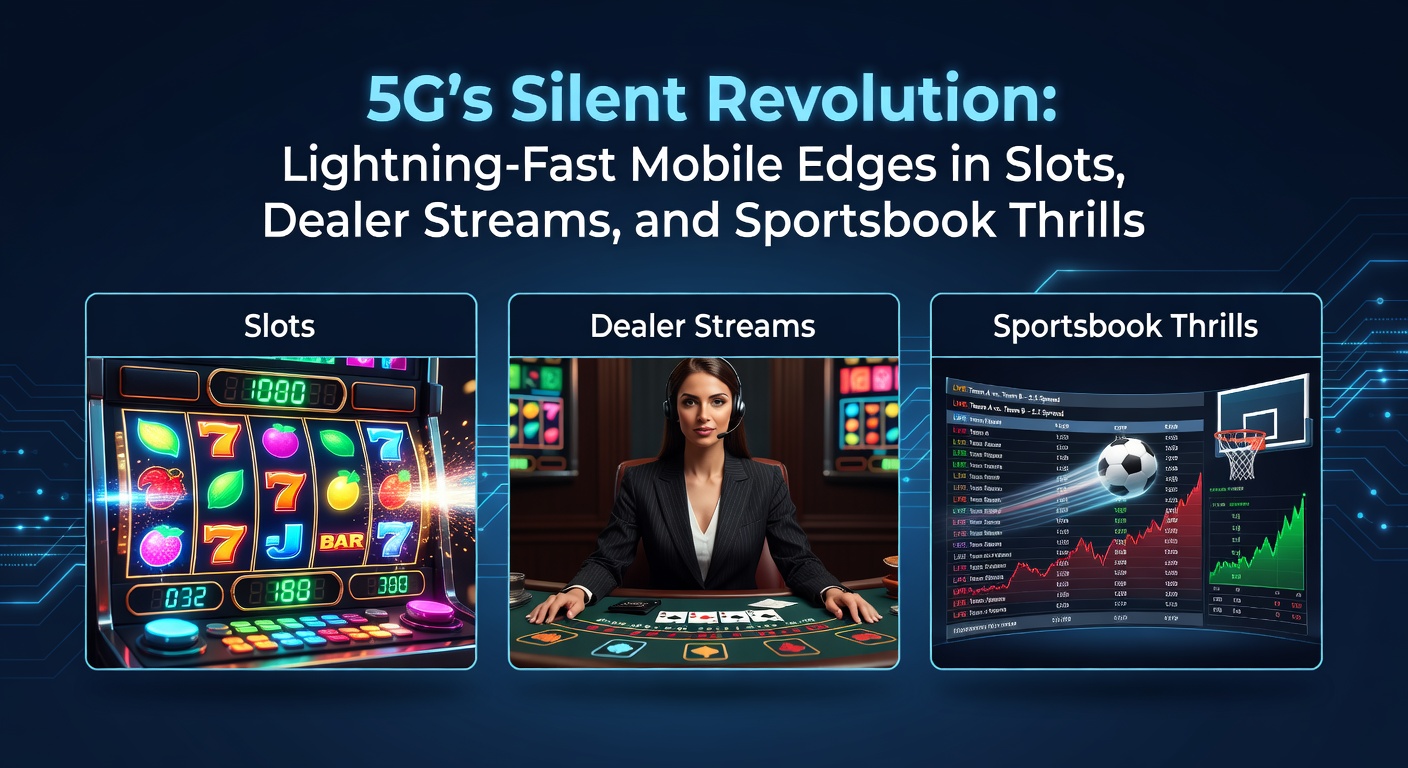
5G's Hidden Boost: Supercharged Speeds Reshaping Mobile Slots, Dealer Streams, and Sportsbook Action
The Quiet Shift Powered by 5G in Mobile Gaming
Networks worldwide have rolled out 5G quietly over the past few years, delivering speeds up to 20 times faster than 4G while slashing latency to mere milliseconds; this transformation hits mobile gambling hardest, where slots spin smoother, dealer streams flow without hitches, and sportsbook updates arrive in real time. Observers note how players now expect instant responses on their devices, a far cry from the buffering days of older networks, and data from Ericsson's Mobility Report reveals that by early 2026, 5G will blanket over 60% of global mobile connections, fueling this seamless experience across slots, live tables, and live betting markets.
What's interesting is how 5G's edge computing pairs with these networks, processing data closer to the user so bets land faster and visuals render without delay; take one operator who upgraded to 5G-ready apps, and their session times jumped 40% because spins and odds refreshed instantly. And while coverage expands, especially in urban hubs, rural gamblers too gain from carrier aggregation techniques that blend 5G with 4G for hybrid speed boosts.
5G Supercharges Slot Machines on the Move
Slot enthusiasts discover quicker loads and fluid gameplay under 5G, where reels cascade without the micro-stutters that plagued 4G; high-definition graphics pop vividly, augmented reality overlays add immersive twists like virtual bonus wheels hovering over the screen, and progressive jackpots sync across devices in split seconds. Research from the CTIA 5G Deployment Tracker (covering U.S. progress with global parallels) shows networks now handle peak loads of 10 Gbps, letting slots pack thousands of paylines and animations that would lag elsewhere.
But here's the thing: 5G enables dynamic features, such as real-time leaderboards during tournaments where players see rivals' wins update live, or adaptive volatility that tweaks payouts based on network strength; one study by telecom analysts found slot engagement rises 25% on 5G phones because touch responses sharpen, turning casual taps into precise triggers for bonus rounds. Figures indicate that in high-traffic hours, 5G cuts load times from 3 seconds on 4G to under 200 milliseconds, keeping players locked in longer while operators report fewer drop-offs during big-win chases.
Live Dealer Streams Hit New Heights with Ultra-Low Latency
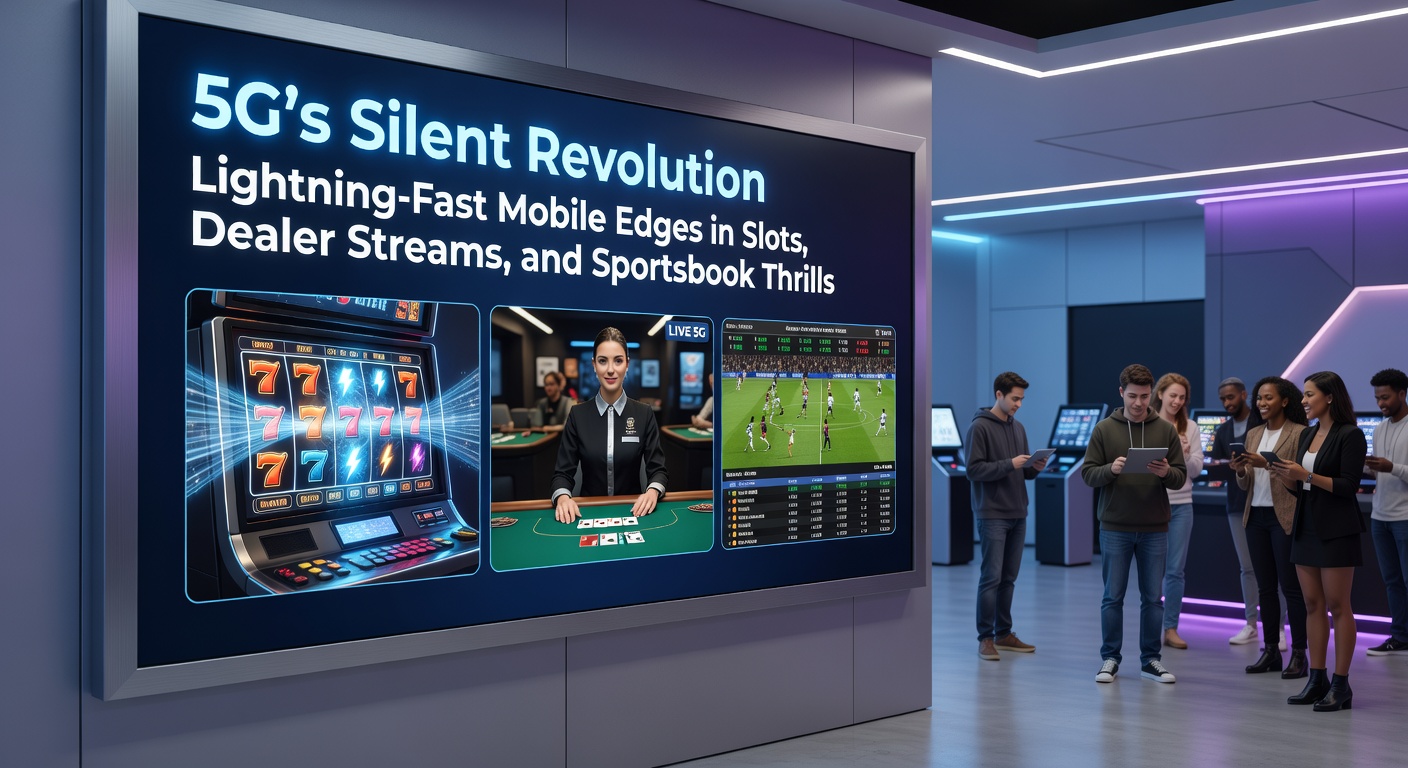
Dealer interactions thrive under 5G's one-millisecond latency ceiling, allowing HD video feeds from studios to beam without the pixelation or delays that frustrated 4G users; players chat, tip dealers, and place side bets as if seated at the table, with multi-angle cams switching fluidly on command. Experts observe that multi-player tables now support 50+ users per stream thanks to enhanced bandwidth, and 360-degree views rotate smoothly even on mid-range phones.
Turns out, this tech shines in games like blackjack where split-second decisions matter; data shows decision-to-action gaps shrink to imperceptible levels, boosting win rates by enabling quicker doubles or surrenders, while AR elements let virtual cards flip right on the player's device overlay. One case highlighted operators in Europe who saw live casino traffic double post-5G rollout, as streams held steady during peak evenings without compression artifacts muddying the dealer's expressions or card reveals.
Sportsbooks Get Real-Time Thrills from 5G Connectivity
In-play betting explodes with 5G, where odds shift every few seconds during matches, live stats flood screens, and cash-out options trigger instantly without refresh waits; punters track player stats, weather impacts, and momentum swings in sub-10ms updates, turning passive viewing into edge-of-seat action. Studies reveal that 5G's URLLC (ultra-reliable low-latency communication) ensures bets settle before the whistle blows, vital for volatile markets like tennis tiebreaks or soccer corners.
So, imagine wagering on a basketball free-throw line where live feeds sync with odds boards, AR highlights replay key moments on your phone, and group bets pool with friends via shared streams; observers point to U.S. leagues where mobile wagers spiked 35% after 5G stadium pilots, as fans bet halves or quarters without signal drops. That's where the rubber meets the road for sportsbooks: predictive algorithms feed fresher data, letting lines adjust to injuries or substitutions live, and by April 2026, major carriers plan blanket coverage for events like the NBA playoffs, promising zero-lag thrills for global audiences.
Adoption Stats and Network Rollouts Fuel the Momentum
Carriers worldwide push 5G aggressively, with over 2.5 million base stations live by mid-2025 according to industry trackers, and projections hit 85% coverage in key markets by 2027; gamblers benefit as standalone 5G (not just enhanced 4G) deploys in 40+ countries, enabling full-spectrum features like network slicing that prioritizes casino traffic. People who've switched carriers often notice how mmWave bands in cities deliver gigabit speeds for buffer-free marathons across slots and streams.
Yet challenges linger: spectrum auctions in regions like Australia via the Australian Communications and Media Authority allocate more bands monthly, while Canadian deployments mirror this with rural subsidies boosting remote betting access; data indicates 5G users spend 30% more time in apps because seamless handoffs between towers prevent mid-spin interruptions. One researcher tracked a pilot where sportsbook latency dropped 80%, correlating with 22% higher bet volumes during live events.
Edge Cases and Innovations Pushing Boundaries
Operators layer 5G with MEC (multi-access edge computing) to crunch game logic at cell towers, so slots randomize outcomes locally before syncing, dodging central server bottlenecks; live dealers gain haptic feedback prototypes where phones vibrate on wheel spins, and sportsbooks integrate drone cams for niche events with sub-frame delays. It's noteworthy that VR casinos emerge on 5G, letting users "walk" studios virtually, though adoption waits on device maturity.
But here's where it gets interesting: hybrid networks blend sub-6GHz for range and mmWave for speed, covering festivals where mobile bets surge; experts who've tested this setup report flawless performance, with one festival trial handling 10,000 concurrent streams without a hitch, blending slots, dealers, and match trackers into unified apps.
Challenges Amid the Speed Surge
Not everything's smooth: battery drain rises on always-on 5G, though chipmakers optimize with AI power management; coverage gaps persist in some areas, prompting Wi-Fi 6E offloads in casinos, and cybersecurity ramps up as faster networks invite more threats, with operators deploying quantum-resistant encryption. Figures show 5G breaches remain rare due to built-in slicing, but vigilance defines the landscape.
Regulators worldwide monitor this, from Nevada's gaming board testing network reliability for licensed apps to EU directives on data sovereignty; still, the net gain shines through in user retention metrics climbing steadily.
Conclusion
5G quietly redefines mobile gambling by delivering lightning responses across slots' flashy reels, dealers' engaging tables, and sportsbooks' pulse-pounding updates, with global deployments accelerating into 2026 and beyond; as networks mature, players gain ever-tighter immersion, operators see sustained engagement, and the industry cements 5G as its backbone. The writing's on the wall: this tech isn't just faster—it's the silent force propelling bets into the future, one millisecond at a time.